
Serum ferritin (Ferritin)
Updated October 31, 2026 · 43 sources · Written by the AumniVIDA team
UnitsWhat is Ferritin?
Ferritin is the protein that stores iron inside your cells, and a blood ferritin test estimates how much iron you have in reserve. It is the most accurate single blood test for iron deficiency. Below 30 ng/mL (30 µg/L)30 µg/L (30 ng/mL) usually means low stores, but inflammation, liver disease and alcohol can push it up.
Questions people ask about Ferritin
- 01What does low ferritin mean?Low ferritin means your iron stores are running out. Below 15 ng/mL (15 µg/L)15 µg/L (15 ng/mL) stores are empty, and ASH 2026 counts 30 ng/mL or lower as iron deficiency in most adults. It can cause fatigue before anemia appears. The usual causes are menstruation, pregnancy, diet, blood donation and gut blood loss, so the cause needs finding.Read the answer
- 02What does high ferritin mean?High ferritin usually signals inflammation, fatty liver, alcohol, metabolic syndrome or cell damage rather than too much iron: only about 10% of cases reflect iron overload. Transferrin saturation separates them. Ferritin above 200 ng/mL in women or 300 ng/mL in men with saturation over 45% to 50% suggests overload such as hemochromatosis.Read the answer
- 03How to increase ferritinFerritin rises when you absorb more iron than you lose.Read the answer
- 04What is a normal ferritin level?A typical lab ferritin range runs from about 15 to 30 ng/mL at the low end to about 200 ng/mL in women and 300 ng/mL in men.Read the answer
- 05Ferritin test: what it measures and how to prepareA ferritin test is a routine blood draw that estimates your iron stores.Read the answer
- 06Ferritin vs iron: what is the difference?Ferritin is the protein that stores iron, so the ferritin test estimates your iron reserves.Read the answer
Key takeaways
- 1
Ferritin is the best single blood test for iron stores: below 15 ng/mL is about 99% specific for iron deficiency [1].
- 2
- 3
Inflammation, fatty liver, alcohol and metabolic syndrome raise ferritin; only about 10% of high results in routine practice are iron overload [5].
- 4
Read ferritin with transferrin saturation and CRP: saturation above 45% to 50% with high ferritin suggests overload [6].
- 5
Low ferritin needs a cause: about a third of men and postmenopausal women with iron deficiency anaemia have an underlying problem, usually in the gut [1].
- 6
What is ferritin?
Ferritin is the protein your cells use to store iron. A small amount leaks into the blood, and that blood level rises and falls with the size of your iron stores, which makes it the standard test for iron deficiency.
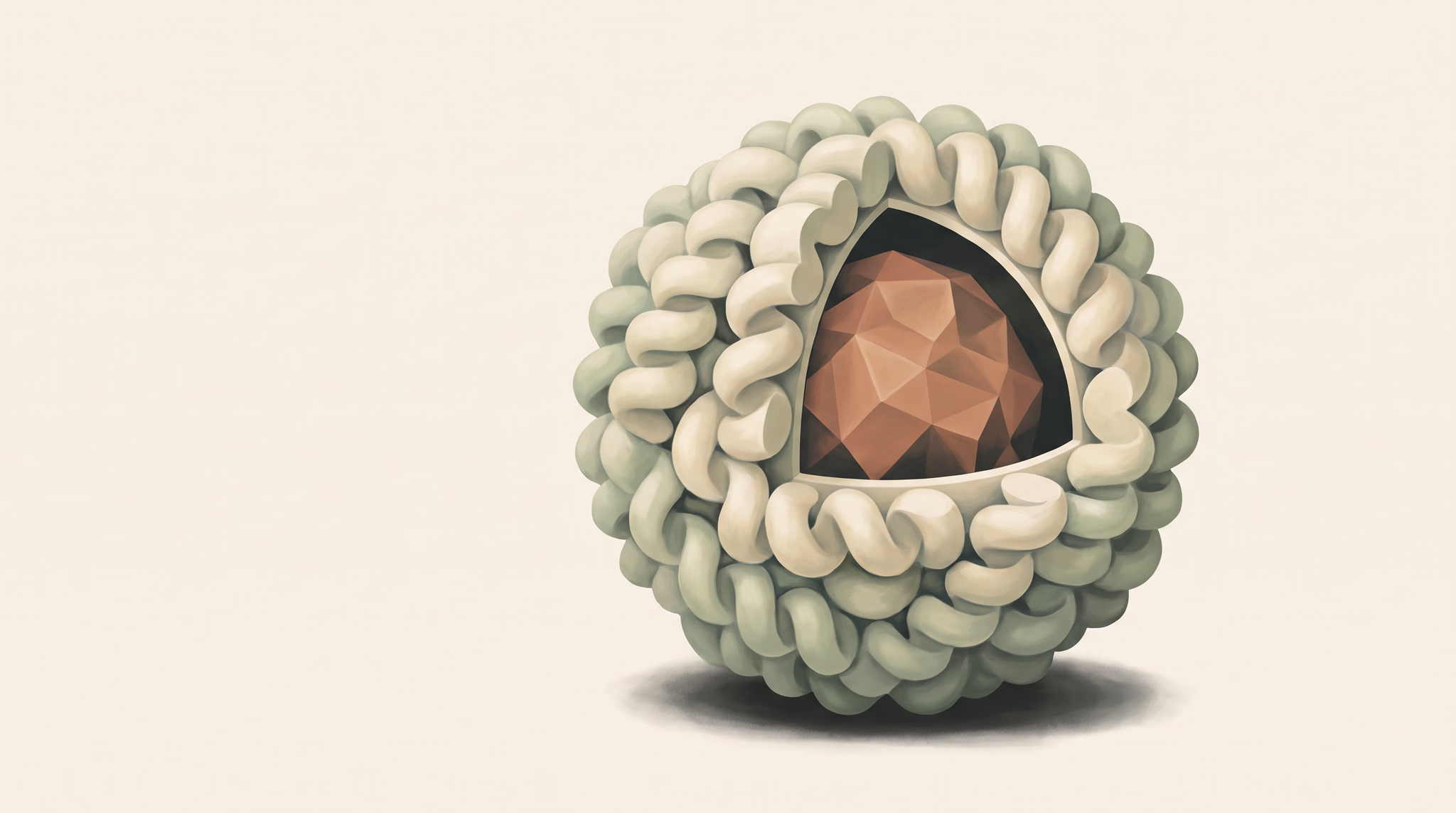
Ferritin is a hollow shell made of 24 protein subunits. Its inner cavity can hold up to about 4,500 iron atoms as a safe mineral core [9]. Storing iron this way does two jobs: it keeps a reserve for making red blood cells, and it keeps free iron, which damages cells, locked away.
Most ferritin sits inside liver cells, bone marrow and the immune cells called macrophages. The ferritin measured in a blood test is a small amount that reaches the blood. In 1972 the first serum ferritin assays showed that this blood level tracks storage iron: it was low in iron deficiency and very high in iron overload [10] [11]. Two years later a clinical evaluation confirmed serum ferritin as an index of iron stores [12].
Ferritin then became the strongest single test for iron deficiency. A 1992 overview of 55 studies that used bone marrow iron as the reference found it outperformed every other blood test, with an area under the curve of 0.95 [13].
The catch: ferritin also rises with inflammation, infection, liver damage and cancer. A high or normal result does not always mean full stores. The rest of this guide explains how to read it, and the question pages go deeper: low ferritin, high ferritin, normal ranges, the test itself, how to raise it and ferritin versus iron.
Fifty years of ferritin
1972
First serum ferritin assays link blood ferritin to iron stores
1974
Ferritin validated as an index of body iron stores
1992
Systematic overview ranks ferritin the strongest test for iron deficiency
1996
HFE gene for hereditary haemochromatosis identified
2004
Hepcidin shown to switch off the iron exporter ferroportin
2017
Alternate-day iron absorbs better than daily doses
2020
WHO ferritin guideline; AGA adopts 45 ng/mL with anemia
2021
Physiology points to about 25 ng/mL for women
2023
Consensus definition of metabolic hyperferritinaemia
2026
ASH sets 30 ng/mL for most adults
How does the body store and release iron?
The body has no way to excrete extra iron, so it controls iron at the gut. A liver hormone called hepcidin acts as the gate: high hepcidin blocks iron leaving gut cells and stores, and low hepcidin opens the gate.
Iron balance is set by absorption, because the body has no regulated way to get rid of iron [14]. People who do not menstruate lose less than 0.1% of their body iron a day, and diet replaces it [15].
The control point is hepcidin, a hormone made by the liver. Hepcidin binds ferroportin, the only known iron exporter on gut cells and macrophages, and makes the cell break it down [16]. With less ferroportin, iron stays inside the gut cell and is shed, or stays locked in storage.
Three things raise hepcidin:
- Full iron stores. The body slows absorption when it has enough.
- A recent iron dose. Oral doses of 60 mg or more raise hepcidin for about 24 hours and cut absorption from the next day's dose by 35% to 45% [17].
- Inflammation. Infection and inflammatory disease raise hepcidin, which withholds iron from the blood even when stores are adequate [18]. Hard exercise does this too, which is one reason athletes run low [19].
Why inflammation raises ferritin
Ferritin is an acute phase reactant: its level climbs during the body's response to infection, injury and inflammation, whatever the iron stores are [5]. Cells make more ferritin in response to inflammatory signals, and damaged cells, especially liver cells, release ferritin into the blood. One review argues that most blood ferritin is a leakage product of cell damage, which would explain why it tracks so many diseases [20]. That argument is debated, but the practical point is agreed: an inflamed person can have a normal ferritin and still be short of iron.
How iron moves from food to storage
Step 1
Food
Heme and nonheme iron
Heme from meat and fish; nonheme from legumes and grains. Vitamin C helps; tea, coffee and phytate block.
Step 2
Gut lining cell
Ferroportin door
Ferroportin, the only known iron exporter, lets iron out into the blood.
Step 3
Blood
Iron on transferrin
Transferrin saturation is the share of transferrin carrying iron.
Step 4
Marrow and stores
Red cells and ferritin
Marrow builds hemoglobin; liver cells and macrophages store iron as ferritin. A little ferritin leaks into blood: the test.
Step 5
Liver hepcidin
Closes the doors
Hepcidin breaks down ferroportin in gut cells and macrophages, so iron stays put.
Full stores, a recent dose of 60 mg or more, and inflammation raise hepcidin (Nemeth 2004, Moretti 2015, Pasricha 2021). Low hepcidin opens the gate.
Why does ferritin matter if your hemoglobin is normal?
Iron stores run out before anemia appears, so low ferritin can be the first sign of iron deficiency. Low iron without anemia is linked with fatigue and restless legs, and very high ferritin can be the first clue to iron overload.
Anemia is the late stage of iron deficiency. Harm can start before hemoglobin falls [18]. Physiology studies show that red cell production starts to strain at a ferritin of about 25 ng/mL (25 µg/L)25 µg/L (25 ng/mL) in women, well above the old 15 ng/mL cutoff [21] [22].
Fatigue
In a trial of 198 non-anemic menstruating women with fatigue and ferritin below 50 ng/mL, 12 weeks of 80 mg oral iron cut fatigue scores by 47.7% versus 28.8% with placebo [23]. A meta-analysis of 18 trials in non-anemic iron-deficient adults found a modest reduction in self-reported fatigue but no gain in measured physical capacity such as VO2max [24]. Fatigue has many causes, including thyroid disease (TSH), so low ferritin is one thing to check, not the whole answer.
Hair loss
Women with androgenetic alopecia and alopecia areata had lower mean ferritin than women without hair loss in a cross-sectional study [25]. Reviews conclude the evidence conflicts and is not strong enough to recommend iron for hair loss without anemia [26] [27].
Restless legs
Low brain iron is part of restless legs syndrome. The International Restless Legs Syndrome Study Group rates oral iron as possibly effective when ferritin is 75 ng/mL or lower, and intravenous ferric carboxymaltose as effective when ferritin is below 300 ng/mL [28]. That is a higher bar than for anemia.
Iron overload
At the other end, hereditary haemochromatosis makes the gut absorb too much iron. About 1 in 400 people of Northern European descent are affected [29], and in a screening study of 99,711 people most undiagnosed carriers of two C282Y variants had raised ferritin [30]. Untreated overload damages the liver, joints and pancreas, and phlebotomy prevents much of it [6]. See high ferritin.
What ferritin level is too low or too high?
Most labs flag ferritin below 15 to 30 ng/mL as low. Current guidelines put iron deficiency at 30 ng/mL or lower for most adults (ASH 2026) or below 45 ng/mL with anemia (AGA 2020). Above 150 ng/mL in women or 200 ng/mL in men, check transferrin saturation.
Ferritin is reported in ng/mL in the US and µg/L in most other countries. The two units are equal, so 30 ng/mL is 30 µg/L.
The table below puts every major threshold side by side. It is the comparison most pages leave out, and it explains why two clinicians can read the same result differently.
- WHO 2020 keeps 15 ng/mL for deficiency in healthy people aged 5 and older, raises it to 70 ng/mL for adults with infection or inflammation, and sets overload screens at 150 ng/mL for menstruating women, 200 ng/mL for men and 500 ng/mL for adults who are unwell [2].
- AGA 2020 recommends 45 ng/mL over 15 ng/mL when someone already has anemia [3].
- BSG 2021 describes below 15 µg/L as absent stores and below 30 µg/L as low stores, with 45 µg/L giving a specificity of 0.92 [1].
- ASH 2026 sets 30 ng/mL or lower for most adults, including menstruating and pregnant people, and up to 50 ng/mL for some higher-risk groups [4].
- Physiology studies find hemoglobin starts to fall at about 25 ng/mL in women [21] [22], and about 30 ng/mL in older women and men who donate blood [31].
The move from 15 to 30 matters. A 1998 study found a cutoff of 12 µg/L caught only 25% of iron-deficient anemic patients, while 30 µg/L caught 92% with the same 98% specificity [32]. Lab reference ranges have not all caught up: the lower limit for most labs lies between 15 and 30 µg/L [1], and the upper limit is typically 200 µg/L in women and 300 µg/L in men [5].
Where your result falls is a starting point for a conversation with a clinician, not a diagnosis. The normal range page covers age, sex and pregnancy.
| Source | Iron deficiency | With inflammation | Raised or overload screen |
|---|---|---|---|
| WHO 2020 | Below 15 (age 5 and over); below 12 under age 5 | Below 70 in adults; below 30 under age 5 | Above 150 menstruating women, above 200 men; above 500 if unwell; never alone |
| AGA 2020 | Below 45 when anemia is present | Not separately set | Not covered |
| BSG 2021 | Below 15 absent stores; below 30 low stores; 45 suggested cutoff | Up to 100 may still be deficiency | Above 150 makes absolute deficiency unlikely |
| ASH 2026 | 30 or lower for most adults; 50 or lower in some higher-risk groups | Below 100, or transferrin saturation below 20% | Not covered |
| IRLSSG 2018 (restless legs) | Oral iron when 75 or lower | IV iron when below 300 | Not covered |
| EASL 2022 (haemochromatosis) | Not covered | Not covered | Above 200 women or 300 men with transferrin saturation above 45% or 50% |
| Typical lab range | Lower limit 15 to 30 | Not adjusted | Upper limit about 200 women, 300 men |
Where ferritin cutoffs fall
- Deficiency in every guideline
- 0 to 15
- Low stores
- 15 to 30
- Low-normal
- 30 to 50
- Typical
- 50 to 150
- Check transferrin saturation
- 150 to 300
- High
- 300 to 400
- 15 ng/mL (= µg/L): WHO deficiency
- 30 ng/mL (= µg/L): ASH 2026 deficiency
- 45 ng/mL (= µg/L): AGA, with anemia
- 70 ng/mL (= µg/L): WHO, with inflammation
- 100 ng/mL (= µg/L): ASH, with inflammation
- 150 ng/mL (= µg/L): WHO overload screen, women
- 200 ng/mL (= µg/L): WHO overload screen, men
How do you read ferritin when you have inflammation?
Inflammation pushes ferritin up, so a normal number can hide iron deficiency. WHO suggests treating ferritin below 70 ng/mL as deficient in inflamed adults, and ASH uses below 100 ng/mL or transferrin saturation below 20%, ideally with a CRP measured at the same time.
Because ferritin is an acute phase reactant, guidelines raise the cutoff or adjust the value when inflammation is present.
- Raise the cutoff. WHO uses below 70 ng/mL in adults and below 30 ng/mL in young children with infection or inflammation [2]. ASH uses ferritin below 100 ng/mL or transferrin saturation below 20% [4]. BSG notes that up to 100 µg/L can still reflect iron deficiency when inflammation is present, while above 150 µg/L absolute deficiency is unlikely even with inflammation [1].
- Measure inflammation alongside. WHO recommends measuring CRP and alpha-1-acid glycoprotein (AGP) with ferritin in settings with widespread infection, and defines raised levels as CRP above 5 mg/L and AGP above 1 g/L [2].
- Adjust the number. In population surveys, a regression correction for CRP and AGP raised the estimated share of women with depleted stores by 2 to 8 percentage points [33].
For one person, the practical version is simple. Ask for CRP (or hs-CRP) and transferrin saturation alongside ferritin. A low saturation with a middling ferritin and a raised CRP points to iron deficiency hidden by inflammation. A high ferritin with a normal saturation and a raised CRP points to inflammation, not overload [5].
Lowering inflammation through diet, weight and treating the underlying disease can bring ferritin down without any change in iron. The anti-inflammatory diet protocol tracks the dietary side.
Reading ferritin with transferrin saturation and CRP
Read ferritin with transferrin saturation (TSAT) and CRP
- Ferritin below 30 ng/mL (30 µg/L)30 µg/L (30 ng/mL), any CRPIron deficiency: find the cause (BSG 2021, ASH 2026)
- Ferritin 30 to 100 ng/mL (30 to 100 µg/L)30 to 100 µg/L (30 to 100 ng/mL), CRP above 5 mg/L, TSAT below 20%Iron deficiency still possible, hidden by inflammation (ASH 2026, WHO 2020)
- High ferritin, normal TSAT, CRP above 5 mg/LInflammation is the likely driver, not overload (Sandnes 2021)
- High ferritin, normal TSAT, normal CRPThink liver fat, metabolic syndrome or alcohol (Sandnes 2021, Valenti 2023)
- Ferritin above 200 to 300 ng/mL (200 to 300 µg/L)200 to 300 µg/L (200 to 300 ng/mL) with TSAT over 45%Possible iron overload: HFE testing (EASL 2022)
Every pattern needs a clinician to confirm. Ferritin alone should never be used to diagnose overload (WHO 2020).
What raises or lowers ferritin?
Blood loss, pregnancy, low iron intake, poor absorption and endurance training lower ferritin. Iron in food and supplements raises it slowly. Inflammation, liver disease, alcohol and metabolic syndrome raise it without adding iron, and only overload raises it alongside high transferrin saturation.
What lowers it. Menstrual blood loss and pregnancy are the most common causes of iron deficiency in premenopausal women; in men and postmenopausal women, gut blood loss and malabsorption are the most common [26]. Blood donation removes a large dose of iron at once: without supplements, 67% of donors had not rebuilt their stores 168 days later [34]. Iron deficiency affects about 15% to 35% of female and 5% to 11% of male athlete cohorts [19].
What raises it with iron. Diet and supplements raise ferritin slowly. Iron bioavailability is about 14% to 18% from mixed diets and 5% to 12% from vegetarian diets [14]. Heme iron from meat and fish is not blocked by tea the way plant iron is [35]. A cup of tea with a meal cut iron absorption by 64% and a cup of coffee by 39% in one isotope study [36]. Vitamin C counteracts the phytate in grains and legumes in single meals [37], though across a whole diet its effect is much smaller [38].
For oral iron, less often can mean more absorbed. Alternate-day dosing raised absorption from 16.3% to 21.8% [7], and a 2023 trial found equal ferritin with fewer gut side effects at equal total doses [8]. Iron supplements should follow a test and a clinician's plan, because a low ferritin needs its cause found and extra iron does harm in overload. The full list of levers is on how to increase ferritin.
What raises it without iron. Only about 10% of high ferritin results in routine practice reflect iron overload. The rest come from inflammation, metabolic syndrome, alcohol, cell damage and cancer [5]. Ferritin tied to insulin resistance and fatty liver now has a consensus name, metabolic hyperferritinaemia [39]; markers such as fasting insulin, HbA1c and triglycerides help show that pattern.
Diet patterns matter for both ends. A whole-food plant-based diet provides only nonheme iron, so pairing legumes with vitamin C and keeping tea away from meals helps. A carnivore diet is rich in heme iron, which matters for anyone with a high ferritin and high transferrin saturation.
Tea and coffee with a meal
- Cup of tea with the meal64 % less iron absorbed from the meal
- Cup of coffee with the meal39 % less iron absorbed from the meal
- Coffee 1 hour before the meal0 % less iron absorbed from the meal
No decrease seen
Show the data
| Item | Value (% less iron absorbed from the meal) | Low | High | Note |
|---|---|---|---|---|
| Cup of tea with the meal | 64 | |||
| Cup of coffee with the meal | 39 | |||
| Coffee 1 hour before the meal | 0 | No decrease seen |
What does the evidence not show?
There is no agreed optimal ferritin for energy, hair or athletic performance. Thresholds above 30 to 50 ng/mL come from physiology and expert consensus, not trials showing better outcomes, and the benefit of lowering ferritin in metabolic hyperferritinaemia is unproven.
- No proven optimal level. Numbers such as 50, 70 or 100 ng/mL for hair growth or performance circulate widely, but no trial has shown that pushing ferritin to a target above the deficiency range improves those outcomes. Trials in non-anemic adults show a modest effect on self-reported fatigue and none on measured physical capacity [24].
- Hair loss. The link rests mostly on cross-sectional studies, and reviews call for placebo-controlled trials before recommending iron for hair [26] [27].
- The cutoff itself. The 15 ng/mL threshold came from expert opinion [21]. Newer thresholds of 25 to 30 ng/mL rest on the point where hemoglobin and soluble transferrin receptor start to change [22] [4], which is a physiological signal rather than proof that treating at that level improves how people feel.
- High ferritin without overload. Metabolic hyperferritinaemia is linked with cardiometabolic and liver disease, but there is no clear evidence that removing iron helps [39].
- Inflammation adjustment for one person. Correction formulas were built for population surveys [33]. For an individual, clinicians still rely on raised cutoffs and companion tests.
These gaps are why a ferritin result is best read with a clinician who knows the rest of your history.
Why did the ferritin guidelines change?
The long-used 15 ng/mL cutoff came from expert opinion and misses many people with iron deficiency. Studies that track when red cell production starts to suffer point to about 25 to 30 ng/mL, and ASH adopted 30 ng/mL for most adults in 2026.
WHO kept its 15 µg/L cutoff in 2020 because it judged the evidence too thin to change it, while noting the threshold was based on expert opinion [2] [21]. Physiology studies since then have pointed higher:
- US non-pregnant women: about 25 µg/L [21].
- Women in 12 countries across four regions: 24.8 µg/L, which found iron deficiency in 36.0% of women versus 20.1% using the WHO cutoff [22].
- Pregnancy: about 25 µg/L in the first trimester and 18 to 19 µg/L later [40].
- Blood donors: 25.4 µg/L in women aged 18 to 49, 30.7 µg/L in women aged 50 to 75, and 32.5 µg/L in men [31].
In 2026 the American Society of Hematology set 30 ng/mL or lower as the threshold for most adults, with or without anemia [4]. The AGA had already moved to 45 ng/mL for people with anemia in 2020 [3]. Expect many lab reports to keep showing an older lower limit for a while; the guideline number is the one to discuss with a clinician.
The research
Foundational studies
The work that established what this marker means.
- 1972An immunoradiometric assay for ferritin in the serum of normal subjects and patients with iron deficiency and iron overloadJournal of Clinical PathologyThe first immunoradiometric assay for serum ferritin found low levels in iron deficiency and greatly raised levels in iron overload.
- 1972Ferritin in the serum of normal subjects and patients with iron deficiency and iron overloadBritish Medical JournalSerum ferritin gave a quantitative measure of storage iron, averaging 69 ng/mL in healthy men and 35 ng/mL in healthy women.
- 1974A clinical evaluation of serum ferritin as an index of iron storesNew England Journal of MedicineA clinical evaluation that established serum ferritin as an index of the body's iron stores.
- 1992Laboratory diagnosis of iron-deficiency anemia: an overviewJournal of General Internal MedicineAcross 55 studies with bone marrow iron as the reference, serum ferritin was the most powerful test for iron deficiency anemia, with an area under the curve of 0.95.
- 1996The ferritins: molecular properties, iron storage function and cellular regulationBiochimica et Biophysica ActaFerritin is a hollow shell of 24 protein subunits with an 80 angstrom cavity that can store up to 4,500 iron atoms.
- 1996A novel MHC class I-like gene is mutated in patients with hereditary haemochromatosisNature GeneticsIdentified the gene now called HFE; one missense variant was homozygous in 83% of 178 patients with hereditary haemochromatosis.
- 1998Clinical utility of the soluble transferrin receptor and comparison with serum ferritin in several populationsClinical ChemistryIn anemic patients, a ferritin cutoff of 30 µg/L or lower raised sensitivity for iron deficiency from 25% to 92% while specificity stayed at 98%.
- 2004Hepcidin regulates cellular iron efflux by binding to ferroportin and inducing its internalizationScienceHepcidin binds the iron exporter ferroportin and causes its breakdown, which explains how the liver controls iron release from gut cells and stores.
Guidelines and reviews
Where expert bodies and systematic reviews have landed.
- 2006The diagnosis and treatment of iron deficiency and its potential relationship to hair lossJournal of the American Academy of DermatologyStudies on iron deficiency and hair loss conflict, and the evidence was insufficient to recommend universal iron screening or iron for hair loss without anemia.
- 2010Iron bioavailability and dietary reference valuesAmerican Journal of Clinical NutritionIron bioavailability is about 14% to 18% from mixed diets and 5% to 12% from vegetarian diets, and iron status affects absorption more than diet composition.
- 2015Ferrous sulfate supplementation causes significant gastrointestinal side-effects in adults: a systematic review and meta-analysisPLOS ONEAcross 43 trials, ferrous sulfate more than doubled the odds of gut side effects compared with placebo (odds ratio 2.32).
- 2017Adjusting ferritin concentrations for inflammation: Biomarkers Reflecting Inflammation and Nutritional Determinants of Anemia (BRINDA) projectAmerican Journal of Clinical NutritionAcross 23 surveys, adjusting ferritin for CRP and AGP raised the estimated prevalence of depleted iron stores in women by 2 to 8 percentage points.
- 2018Evidence-based and consensus clinical practice guidelines for the iron treatment of restless legs syndrome/Willis-Ekbom disease in adults and children: an IRLSSG task force reportSleep MedicineOral iron is possibly effective for restless legs syndrome when ferritin is 75 µg/L or lower, and intravenous ferric carboxymaltose is effective when ferritin is below 300 µg/L.
- 2018Efficacy of iron supplementation on fatigue and physical capacity in non-anaemic iron-deficient adults: a systematic review of randomised controlled trialsBMJ OpenIn iron-deficient adults without anaemia, iron reduced self-reported fatigue (standardised mean difference -0.38) but did not improve measured physical capacity such as VO2max.
- 2019ACG Clinical Guideline: Hereditary HemochromatosisAmerican Journal of GastroenterologyFerritin below 1,000 ng/mL at diagnosis of hereditary hemochromatosis marks a low risk of advanced liver fibrosis, and fatty liver disease and alcoholic liver disease are more common causes of high ferritin than hemochromatosis.
- 2019Iron considerations for the athlete: a narrative reviewEuropean Journal of Applied PhysiologyIron deficiency affects about 15% to 35% of female and 5% to 11% of male athlete cohorts, partly because exercise raises hepcidin.
- 2019The Role of Vitamins and Minerals in Hair Loss: A ReviewDermatology and TherapyMicronutrients including iron play a role in the hair cycle, but large placebo-controlled trials are needed before supplements can be recommended for hair loss.
- 2020WHO guideline on use of ferritin concentrations to assess iron status in individuals and populationsWorld Health OrganizationFerritin below 15 µg/L marks iron deficiency in apparently healthy people aged 5 and over (below 12 µg/L under 5), below 70 µg/L in adults with infection or inflammation, and above 150 µg/L in menstruating women or 200 µg/L in men may signal overload risk but should never be used alone.
- 2020AGA Clinical Practice Guidelines on the Gastrointestinal Evaluation of Iron Deficiency AnemiaGastroenterologyIn people with anemia, the American Gastroenterological Association recommends a ferritin cutoff of 45 ng/mL rather than 15 ng/mL to diagnose iron deficiency.
- 2021British Society of Gastroenterology guidelines for the management of iron deficiency anaemia in adultsGutFerritin below 15 µg/L means absent iron stores, below 30 µg/L low stores, 45 µg/L gives a specificity of 0.92, and about a third of men and postmenopausal women with iron deficiency anaemia have an underlying cause, most often in the gut.
- 2021Iron deficiencyThe LancetIron deficiency causes harm without anaemia, hepcidin limits the absorption of high-dose oral iron, and a cause should be sought in every patient, including coeliac screening.
- 2021Hyperferritinemia-A Clinical OverviewJournal of Clinical MedicineOnly about 10% of high ferritin results in routine practice reflect iron overload; the rest come from inflammation, metabolic syndrome, alcohol, cell damage and cancer.
- 2022EASL Clinical Practice Guidelines on haemochromatosisJournal of HepatologyIn people with two copies of the HFE C282Y variant, transferrin saturation above 45% with ferritin above 200 µg/L in women, or above 50% with ferritin above 300 µg/L in men, is enough to diagnose haemochromatosis.
- 2026American Society of Hematology 2026 guidelines for diagnosis of iron deficiencyBlood AdvancesThe American Society of Hematology sets a ferritin threshold of 30 ng/mL or lower for iron deficiency in most adults, 50 ng/mL or lower for some higher-risk groups, and ferritin below 100 ng/mL or transferrin saturation below 20% in inflammation.
Recent research
Notable work from the last three years.
- 2023Alternate day versus consecutive day oral iron supplementation in iron-depleted women: a randomized double-blind placebo-controlled studyeClinicalMedicineAt equal total doses, alternate-day iron gave the same ferritin as daily iron, fewer gut side effects, and less iron deficiency at 6 months (3.0% versus 11.4%).
- 2023Consensus Statement on the definition and classification of metabolic hyperferritinaemiaNature Reviews EndocrinologyA global expert panel defined metabolic hyperferritinaemia, linked it to cardiometabolic and liver disease risk, and found no clear evidence that removing iron helps.
- 2024Physiologically based trimester-specific serum ferritin thresholds for iron deficiency in US pregnant womenBlood AdvancesPhysiologically based ferritin thresholds for iron deficiency in US pregnancy were about 25 µg/L in the first trimester and about 18 to 19 µg/L later, above the 15 µg/L WHO cutoff.
- 2024Recommendations for diagnosis, treatment, and prevention of iron deficiency and iron deficiency anemiaHemaSphereEuropean expert recommendations on diagnosing, treating and preventing iron deficiency, noting that non-menstruating people lose less than 0.1% of body iron a day.
- 2025Physiologically based serum ferritin thresholds for iron deficiency among women and children from Africa, Asia, Europe, and central America: a multinational comparative studyThe Lancet Global HealthIn 13,864 women from 12 countries, hemoglobin began to fall at ferritin of 24.8 µg/L, and this threshold found iron deficiency in 36.0% of women versus 20.1% with the WHO cutoff.
- 2026American Society of Hematology 2026 guidelines for diagnosis of iron deficiencyBlood AdvancesThe American Society of Hematology sets a ferritin threshold of 30 ng/mL or lower for iron deficiency in most adults, 50 ng/mL or lower for some higher-risk groups, and ferritin below 100 ng/mL or transferrin saturation below 20% in inflammation.
- 2026Physiologically based serum hepcidin and ferritin thresholds identify similar onsets of iron-deficient erythropoiesis in adult blood donorsBritish Journal of HaematologyIn 907 blood donors, red cell production began to show iron deficiency at ferritin of 25.4 µg/L in women aged 18 to 49, 30.7 µg/L in women aged 50 to 75, and 32.5 µg/L in men.
What well-known voices say about Ferritin
Their positions, summarized in our words. Follow each link for the full context.
Jacquelyn Powers, MD, MSPediatric hematologist and chair of the American Society of Hematology iron deficiency guideline panel
Powers argues that a normal-looking lab report often hides iron deficiency, because some reference ranges still treat very low ferritin as normal. She backs 30 ng/mL as the threshold for most adults, up to 50 ng/mL for people at higher risk such as those with heavy periods, wants labs to flag results below these limits automatically, and urges clinicians to apply the thresholds to the individual patient rather than mechanically.
HCPLive interview on why normal ferritin can miss iron deficiency (2026)
Angela Weyand, MDPediatric hematologist at Michigan Medicine and lead author of a national study of iron deficiency in young females
Weyand's team found that about 40% of US females aged 12 to 21 had iron deficiency, defined as ferritin below 25 µg/L, while only about 6% had iron deficiency anemia. She supports routine ferritin screening for adolescents and young women even without symptoms, along with diet counseling and supplements or intravenous iron when levels stay low.
University of Michigan news release on iron testing in teen girls and young women (2023)
Michael Auerbach, MDHematologist and clinical professor of medicine at Georgetown University
Auerbach holds that oral iron should stay first-line for most people, but that its side effects drive poor adherence. He argues that modern intravenous iron is far safer than early products, that reluctance to use it rests on outdated safety fears, and that it should be offered sooner to people who cannot tolerate or absorb tablets. He has disclosed honoraria from a maker of intravenous iron.
How we diagnose and treat iron deficiency anemia, American Journal of Hematology (2016)
Watch
Talks and explainers worth your time. Nothing loads from YouTube until you press play.
Iron Physiology
Armando HasudunganArmando Hasudungan@armandohasudunganSubscribers2.9MStartedDecember 2007CountryAustraliaVideos784Total views236.3MNew videos, last 30 days4New videos, last year111From YouTube, 2026-10-31Open on YouTube
A clear illustrated walk through iron absorption, transport and ferritin storage, useful before reading any iron result.
Iron Studies - Serum Fe, TIBC, ferritin & Transferrin % Saturation
Medicosis PerfectionalisMedicosis Perfectionalis@medicosisperfectionalisSubscribers1.9MStartedMarch 2017CountryUnited StatesVideos3.3KTotal views140.3MNew videos, last 30 days10New videos, last year182From YouTube, 2026-10-31Open on YouTube
Explains how ferritin, serum iron, TIBC and transferrin saturation move together in each common iron pattern.
E121 - Iron deficiency without anaemia
Australian PrescriberAustralian Prescriber@australianprescriber185Subscribers1.9KStartedFebruary 2017CountryNot statedVideos148Total views116.2KNew videos, last 30 days0New videos, last year0From YouTube, 2026-10-31Open on YouTube
A clinician-focused episode from an independent prescribing journal on low ferritin with a normal hemoglobin.
2026 ASH Clinical Practice Guidelines | Iron Deficiency Anemia
American Society of HematologyAmerican Society of Hematology@americansocietyofhematologySubscribers33.2KStartedJuly 2008CountryUnited StatesVideos1KTotal views9.6MNew videos, last 30 days21New videos, last year108From YouTube, 2026-10-31Open on YouTube
The society behind the 2026 guideline explains the new ferritin thresholds for diagnosing iron deficiency.
Mayo Clinic: William Palmer, M.D. - Hereditary Hemochromatosis
Mayo ClinicMayo Clinic@mayoclinicSubscribers1.3MStartedJune 2006CountryUnited StatesVideos12.6KTotal views501.8MNew videos, last 30 days61New videos, last year500+From YouTube, 2026-10-31Open on YouTube
A Mayo Clinic hepatologist covers the inherited cause of true iron overload and how high ferritin leads to the diagnosis.
Mayo Clinic Minute: Female athletes may need more iron
Mayo ClinicMayo Clinic@mayoclinicSubscribers1.3MStartedJune 2006CountryUnited StatesVideos12.6KTotal views501.8MNew videos, last 30 days61New videos, last year500+From YouTube, 2026-10-31Open on YouTube
A short explainer on why training women are at higher risk of low iron stores.
Protocols that act on Ferritin
- Plant-based and vegan dietsA plant-based diet gets most or all of its food from plants: vegan diets exclude all animal foods, vegetarian diets exclude meat and fish.
- Anti-inflammatory dietAn anti-inflammatory diet is an eating pattern meant to lower chronic low-grade inflammation: more oily fish, olive oil, vegetables, fruit, legumes, nuts and whole grains, and less processed meat, refined carbohydrate and sugary drinks.
- Carnivore dietThe carnivore diet is an animal-foods-only pattern of meat, fish, eggs and animal fat, often under 20 g of carbohydrate a day.
Common questions
Is ferritin the same as iron?
No. Ferritin is the protein that stores iron, and the test estimates how much is in storage. Serum iron measures iron moving in the blood right now, which swings with meals and time of day. See ferritin vs iron.
What does ferritin do in the body?
Ferritin stores iron inside cells in a safe mineral form and releases it when the body needs it, for example to make hemoglobin. Each molecule can hold up to about 4,500 iron atoms [9].
Is ferritin included in a CBC?
No. A complete blood count measures hemoglobin and red cell size but not ferritin. Ferritin is ordered separately or as part of an iron panel with serum iron, TIBC and transferrin saturation.
Can ferritin be low when hemoglobin is normal?
Is ferritin an acute phase reactant?
Yes. Ferritin rises during infection, injury and inflammation regardless of iron stores, which is why it is read alongside CRP [5].
Does ferritin drop during your period?
What is a dangerously low ferritin level?
There is no single danger number. Below 15 ng/mL means stores are empty [1], and single-digit results usually come with anemia or will soon. Any low result needs a clinician to find the cause, especially in men and after menopause.
Should I take iron if my ferritin is low?
What is ferritin face?
"Ferritin face" is a social media term for a tired, pale look that people link to low iron. It is not a medical diagnosis. Pallor can come with anemia, but a blood test, not a face, shows whether iron is low.
Sources
- 1.Snook J, Bhala N, Beales ILP, et al. British Society of Gastroenterology guidelines for the management of iron deficiency anaemia in adults. Gut, 2021. doi:10.1136/gutjnl-2021-325210
- 2.World Health Organization. WHO guideline on use of ferritin concentrations to assess iron status in individuals and populations. World Health Organization, 2020. Link
- 3.Ko CW, Siddique SM, Patel A, et al. AGA Clinical Practice Guidelines on the Gastrointestinal Evaluation of Iron Deficiency Anemia. Gastroenterology, 2020. doi:10.1053/j.gastro.2020.06.046
- 4.Powers JM, Lim MY, Achebe MO, et al. American Society of Hematology 2026 guidelines for diagnosis of iron deficiency. Blood Advances, 2026. doi:10.1182/bloodadvances.2025015950
- 5.Sandnes M, Ulvik RJ, Vorland M, et al. Hyperferritinemia-A Clinical Overview. Journal of Clinical Medicine, 2021. doi:10.3390/jcm10092008
- 6.European Association for the Study of the Liver. EASL Clinical Practice Guidelines on haemochromatosis. Journal of Hepatology, 2022. doi:10.1016/j.jhep.2022.03.033
- 7.Stoffel NU, Cercamondi CI, Brittenham G, et al. Iron absorption from oral iron supplements given on consecutive versus alternate days and as single morning doses versus twice-daily split dosing in iron-depleted women: two open-label, randomised controlled trials. The Lancet Haematology, 2017. doi:10.1016/S2352-3026(17)30182-5
- 8.von Siebenthal HK, Gessler S, Vallelian F, et al. Alternate day versus consecutive day oral iron supplementation in iron-depleted women: a randomized double-blind placebo-controlled study. eClinicalMedicine, 2023. doi:10.1016/j.eclinm.2023.102286
- 9.Harrison PM, Arosio P. The ferritins: molecular properties, iron storage function and cellular regulation. Biochimica et Biophysica Acta, 1996. doi:10.1016/0005-2728(96)00022-9
- 10.Addison GM, Beamish MR, Hales CN, et al. An immunoradiometric assay for ferritin in the serum of normal subjects and patients with iron deficiency and iron overload. Journal of Clinical Pathology, 1972. doi:10.1136/jcp.25.4.326
- 11.Jacobs A, Miller F, Worwood M, et al. Ferritin in the serum of normal subjects and patients with iron deficiency and iron overload. British Medical Journal, 1972. doi:10.1136/bmj.4.5834.206
- 12.Lipschitz DA, Cook JD, Finch CA. A clinical evaluation of serum ferritin as an index of iron stores. New England Journal of Medicine, 1974. doi:10.1056/NEJM197405302902201
- 13.Guyatt GH, Oxman AD, Ali M, et al. Laboratory diagnosis of iron-deficiency anemia: an overview. Journal of General Internal Medicine, 1992. doi:10.1007/BF02598003
- 14.Hurrell R, Egli I. Iron bioavailability and dietary reference values. American Journal of Clinical Nutrition, 2010. doi:10.3945/ajcn.2010.28674F
- 15.Iolascon A, Andolfo I, Russo R, et al. Recommendations for diagnosis, treatment, and prevention of iron deficiency and iron deficiency anemia. HemaSphere, 2024. doi:10.1002/hem3.108
- 16.Nemeth E, Tuttle MS, Powelson J, et al. Hepcidin regulates cellular iron efflux by binding to ferroportin and inducing its internalization. Science, 2004. doi:10.1126/science.1104742
- 17.Moretti D, Goede JS, Zeder C, et al. Oral iron supplements increase hepcidin and decrease iron absorption from daily or twice-daily doses in iron-depleted young women. Blood, 2015. doi:10.1182/blood-2015-05-642223
- 18.Pasricha SR, Tye-Din J, Muckenthaler MU, et al. Iron deficiency. The Lancet, 2021. doi:10.1016/S0140-6736(20)32594-0
- 19.Sim M, Garvican-Lewis LA, Cox GR, et al. Iron considerations for the athlete: a narrative review. European Journal of Applied Physiology, 2019. doi:10.1007/s00421-019-04157-y
- 20.Kell DB, Pretorius E. Serum ferritin is an important inflammatory disease marker, as it is mainly a leakage product from damaged cells. Metallomics, 2014. doi:10.1039/c3mt00347g
- 21.Mei Z, Addo OY, Jefferds ME, et al. Physiologically based serum ferritin thresholds for iron deficiency in children and non-pregnant women: a US National Health and Nutrition Examination Surveys (NHANES) serial cross-sectional study. The Lancet Haematology, 2021. doi:10.1016/S2352-3026(21)00168-X
- 22.Addo OY, Mei Z, Jefferds MED, et al. Physiologically based serum ferritin thresholds for iron deficiency among women and children from Africa, Asia, Europe, and central America: a multinational comparative study. The Lancet Global Health, 2025. doi:10.1016/S2214-109X(25)00009-9
- 23.Vaucher P, Druais PL, Waldvogel S, et al. Effect of iron supplementation on fatigue in nonanemic menstruating women with low ferritin: a randomized controlled trial. CMAJ, 2012. doi:10.1503/cmaj.110950
- 24.Houston BL, Hurrie D, Graham J, et al. Efficacy of iron supplementation on fatigue and physical capacity in non-anaemic iron-deficient adults: a systematic review of randomised controlled trials. BMJ Open, 2018. doi:10.1136/bmjopen-2017-019240
- 25.Kantor J, Kessler LJ, Brooks DG, et al. Decreased serum ferritin is associated with alopecia in women. Journal of Investigative Dermatology, 2003. doi:10.1046/j.1523-1747.2003.12540.x
- 26.Trost LB, Bergfeld WF, Calogeras E. The diagnosis and treatment of iron deficiency and its potential relationship to hair loss. Journal of the American Academy of Dermatology, 2006. doi:10.1016/j.jaad.2005.11.1104
- 27.Almohanna HM, Ahmed AA, Tsatalis JP, et al. The Role of Vitamins and Minerals in Hair Loss: A Review. Dermatology and Therapy, 2019. doi:10.1007/s13555-018-0278-6
- 28.Allen RP, Picchietti DL, Auerbach M, et al. Evidence-based and consensus clinical practice guidelines for the iron treatment of restless legs syndrome/Willis-Ekbom disease in adults and children: an IRLSSG task force report. Sleep Medicine, 2018. doi:10.1016/j.sleep.2017.11.1126
- 29.Feder JN, Gnirke A, Thomas W, et al. A novel MHC class I-like gene is mutated in patients with hereditary haemochromatosis. Nature Genetics, 1996. doi:10.1038/ng0896-399
- 30.Adams PC, Reboussin DM, Barton JC, et al. Hemochromatosis and iron-overload screening in a racially diverse population. New England Journal of Medicine, 2005. doi:10.1056/NEJMoa041534
- 31.Addo OY, Brittenham GM, Mei Z, et al. Physiologically based serum hepcidin and ferritin thresholds identify similar onsets of iron-deficient erythropoiesis in adult blood donors. British Journal of Haematology, 2026. doi:10.1111/bjh.70662
- 32.Mast AE, Blinder MA, Gronowski AM, et al. Clinical utility of the soluble transferrin receptor and comparison with serum ferritin in several populations. Clinical Chemistry, 1998. PubMed 9550557
- 33.Namaste SM, Rohner F, Huang J, et al. Adjusting ferritin concentrations for inflammation: Biomarkers Reflecting Inflammation and Nutritional Determinants of Anemia (BRINDA) project. American Journal of Clinical Nutrition, 2017. doi:10.3945/ajcn.116.141762
- 34.Kiss JE, Brambilla D, Glynn SA, et al. Oral iron supplementation after blood donation: a randomized clinical trial. JAMA, 2015. doi:10.1001/jama.2015.119
- 35.Disler PB, Lynch SR, Charlton RW, et al. The effect of tea on iron absorption. Gut, 1975. doi:10.1136/gut.16.3.193
- 36.Morck TA, Lynch SR, Cook JD. Inhibition of food iron absorption by coffee. American Journal of Clinical Nutrition, 1983. doi:10.1093/ajcn/37.3.416
- 37.Hallberg L, Brune M, Rossander L. Iron absorption in man: ascorbic acid and dose-dependent inhibition by phytate. American Journal of Clinical Nutrition, 1989. doi:10.1093/ajcn/49.1.140
- 38.Cook JD, Reddy MB. Effect of ascorbic acid intake on nonheme-iron absorption from a complete diet. American Journal of Clinical Nutrition, 2001. doi:10.1093/ajcn/73.1.93
- 39.Valenti L, Corradini E, Adams LA, et al. Consensus Statement on the definition and classification of metabolic hyperferritinaemia. Nature Reviews Endocrinology, 2023. doi:10.1038/s41574-023-00807-6
- 40.Mei Z, Addo OY, Jefferds MED, et al. Physiologically based trimester-specific serum ferritin thresholds for iron deficiency in US pregnant women. Blood Advances, 2024. doi:10.1182/bloodadvances.2024013460
- 41.Tolkien Z, Stecher L, Mander AP, et al. Ferrous sulfate supplementation causes significant gastrointestinal side-effects in adults: a systematic review and meta-analysis. PLOS ONE, 2015. doi:10.1371/journal.pone.0117383
- 42.Kowdley KV, Brown KE, Ahn J, et al. ACG Clinical Guideline: Hereditary Hemochromatosis. American Journal of Gastroenterology, 2019. doi:10.14309/ajg.0000000000000315
- 43.Auerbach M, Adamson JW. How we diagnose and treat iron deficiency anemia. American Journal of Hematology, 2016. doi:10.1002/ajh.24201