
Triglycerides (Triglycerides)
Updated October 31, 2026 · 43 sources · Written by the AumniVIDA team
UnitsWhat is Triglycerides?
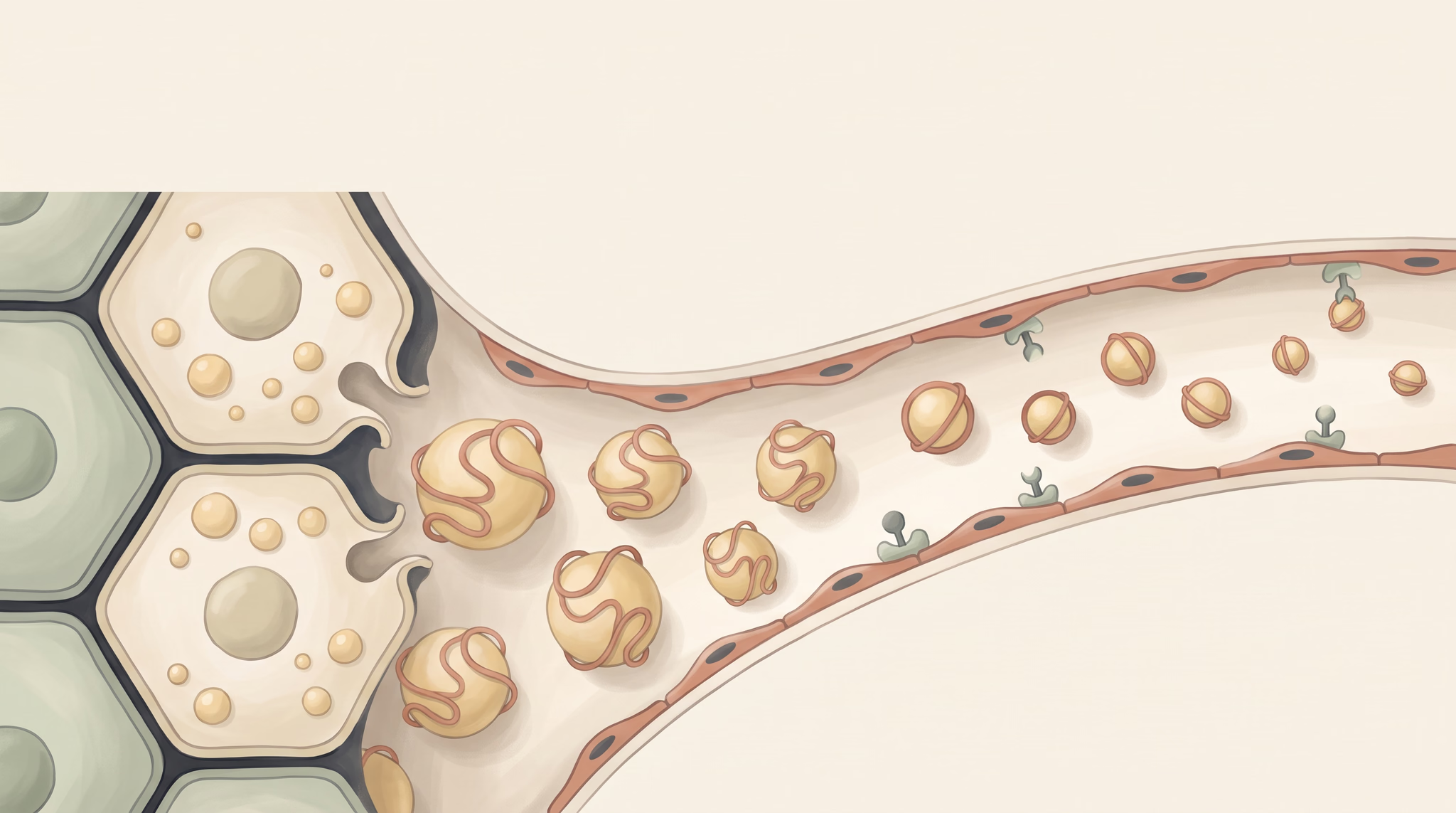
Triglycerides are the main form of fat in the body and in the blood, carried by VLDL from the liver and chylomicrons from the gut. A standard lipid panel measures them: under 150 mg/dL (1.7 mmol/L)1.7 mmol/L (150 mg/dL) is normal, 500 mg/dL (5.6 mmol/L)5.6 mmol/L (500 mg/dL) or more is very high, and levels near 1,000 mg/dL risk pancreatitis.
Questions people ask about Triglycerides
- 01What do high triglycerides mean?High triglycerides mean your blood carries more triglyceride-rich particles than guidelines consider normal: 150 mg/dL (1.7 mmol/L)1.7 mmol/L (150 mg/dL) or more when fasting. From 150 to 499 mg/dL the concern is heart disease. At 500 mg/dL (5.6 mmol/L)5.6 mmol/L (500 mg/dL), and especially 1,000 mg/dL (11.3 mmol/L)11.3 mmol/L (1,000 mg/dL) or more, pancreatitis becomes the main risk.Read the answer
- 02How to lower triglyceridesTo lower triglycerides, lose 5 to 10% of body weight if you carry extra (about 20% lower), cut sugar, refined starch and alcohol (about 10 to 20% lower) and do regular aerobic exercise. Statins lower them by 15 to 31%, prescription omega-3 by 30% or more at very high levels, and newer apoC-III drugs by more than half.Read the answer
- 03What is a normal triglyceride level?A normal fasting triglyceride level is under 150 mg/dL (1.7 mmol/L)1.7 mmol/L (150 mg/dL) in US and European guidance, and under 100 mg/dL (1.2 mmol/L)1.2 mmol/L (100 mg/dL) is optimal.Read the answer
- 04Triglyceride to HDL ratio: what it tells youThe triglyceride to HDL ratio is triglycerides divided by HDL cholesterol from a standard lipid panel.Read the answer
- 05What do low triglycerides mean?Low triglycerides, well below 100 mg/dL (1.1 mmol/L)1.1 mmol/L (100 mg/dL), usually reflect efficient fat clearance from leanness, exercise, low-carbohydrate eating or protective genes, and come with lower heart risk.Read the answer
Key takeaways
What are triglycerides?
Triglycerides are fat molecules: a glycerol backbone carrying three fatty acids. The body stores spare energy as triglycerides in fat tissue and moves them through the blood inside lipoprotein particles, so a blood test shows how much fat is in transit at that moment.
Triglycerides are the main fat in food and in body fat. When you eat more energy than you burn, the liver and fat tissue store it as triglycerides. Between meals, fat tissue releases fatty acids for muscles and the heart to burn.
Triglycerides vs cholesterol
Cholesterol is a waxy building material for cell membranes and hormones; triglycerides are fuel. Neither dissolves in blood, so both ride in the same lipoprotein particles. A standard lipid panel measures total cholesterol, HDL cholesterol and triglycerides directly, and usually calculates LDL cholesterol from them with the Friedewald equation: total cholesterol minus HDL minus triglycerides divided by 5 (mg/dL) or by 2.2 (mmol/L). That shortcut is only used when triglycerides are below 400 mg/dL (4.5 mmol/L)4.5 mmol/L (400 mg/dL) [3]. Above that, labs measure LDL directly. See the LDL cholesterol and ApoB guides for how those numbers relate.
How common are high triglycerides?
In US national survey data from 2001 to 2006, 32% of adults had triglycerides of 150 mg/dL (1.7 mmol/L)1.7 mmol/L (150 mg/dL) or more: 14% borderline high, 16% high and about 2% very high [1]. In Copenhagen, 27% of adults have nonfasting triglycerides above 176 mg/dL (2 mmol/L)2 mmol/L (176 mg/dL) [11].
Units
US labs report mg/dL; most other countries report mmol/L. Divide mg/dL by 88.57 to get mmol/L, or multiply mmol/L by 88.57 to get mg/dL. So 150 mg/dL is 1.7 mmol/L and 500 mg/dL is 5.6 mmol/L.
How does the body make and carry triglycerides?
The gut packs fat from meals into chylomicrons, and the liver packs fat into VLDL particles. An enzyme on blood vessel walls, lipoprotein lipase, strips triglycerides out for muscle and fat tissue, leaving smaller, cholesterol-rich remnants that the liver clears.
Two kinds of triglyceride-rich particles carry almost all the triglycerides in your blood [2]:
- Chylomicrons come from the small intestine after a meal and carry dietary fat. Each carries one copy of apolipoprotein B48.
- VLDL (very low-density lipoprotein) comes from the liver. Each carries one copy of ApoB100. The liver builds VLDL triglycerides from fat it makes itself from carbohydrate (de novo lipogenesis), from fatty acids released by fat tissue and from fat returned in remnant particles.
Lipoprotein lipase empties the particles
Lipoprotein lipase sits on the inner surface of capillaries in muscle and fat tissue and breaks triglycerides into fatty acids that the tissues take up. ApoC-II switches the enzyme on. ApoC-III and the proteins ANGPTL3, 4 and 8 slow it down [2]. As the particles empty, they shrink into remnants: smaller, denser and richer in cholesterol. A remnant can carry up to four times as much cholesterol per particle as LDL [2].
Why insulin resistance raises triglycerides
Insulin resistance pushes VLDL output up in three ways: insulin-resistant fat cells release more fatty acids, more remnant fat returns to the liver, and the liver makes more fat from scratch. People with insulin resistance and obesity also carry more apoC-III, which slows clearance [2]. Moderately high triglycerides usually reflect overproduction; severe elevations usually reflect failed clearance by lipoprotein lipase [2]. That is why triglycerides travel with liver fat, fasting insulin and HbA1c.
How long the particles last
Chylomicrons and VLDL circulate for 4 to 13 hours in people with raised triglycerides, while LDL lasts 2.5 to 3.5 days [2]. That short life is why triglycerides respond to meals, alcohol and lifestyle changes faster than LDL cholesterol does. Across the population, levels range from about 30 to 10,000 mg/dL (0.33 to 120 mmol/L)0.33 to 120 mmol/L (30 to 10,000 mg/dL) [2].

Why do triglycerides matter for heart disease?
High triglycerides mark a surplus of triglyceride-rich particles and their remnants, which carry cholesterol into artery walls. Genetic studies suggest these particles cause heart disease, but the risk tracks the number of ApoB particles more closely than the triglyceride number itself.
What the cohort studies show
In 29 prospective studies with 262,525 people, those in the top third of triglycerides had 1.72 times the odds of coronary heart disease of those in the bottom third after adjustment for established risk factors [12]. In Copenhagen, women with nonfasting triglycerides of 443 mg/dL (5 mmol/L)5 mmol/L (443 mg/dL) or more had 5.4 times the adjusted risk of a heart attack of women under 89 mg/dL (1 mmol/L)1 mmol/L (89 mg/dL) [13].
The association is tangled with other lipids. In a pooled analysis of 302,430 people, the link between triglycerides and coronary disease disappeared (hazard ratio 0.99) once HDL and non-HDL cholesterol were taken into account [14].
What genetics adds
Mendelian randomization uses inherited variants as a natural experiment. Variants that raise triglycerides raise coronary risk in proportion to their triglyceride effect [15]. A genetically 39 mg/dL (1 mmol/L)1 mmol/L (39 mg/dL) higher remnant cholesterol carried a 2.8-fold causal risk of ischemic heart disease [4]. People born with a broken APOC3 gene have 39% lower triglycerides and a 40% lower risk of coronary disease [16].
The key refinement: triglyceride-lowering and LDL-lowering variants gave the same coronary benefit per 10 mg/dL lower ApoB, and the triglyceride effect vanished once ApoB was accounted for [5]. A separate multivariable analysis found that only ApoB kept a robust effect [17]. Each VLDL and remnant particle carries one ApoB, so ApoB counts the particles that do the damage. The ApoB guide explains the test.
Triglyceride-rich lipoproteins also appear to cause low-grade inflammation [11], one reason triglycerides and hs-CRP often rise together.
Pancreatitis at very high levels
Very high triglycerides threaten the pancreas rather than the arteries. The European Atherosclerosis Society puts the high-risk line at 880 mg/dL (10 mmol/L)10 mmol/L (880 mg/dL) [2]. Risk climbs earlier, though: in 116,550 Danes, people with nonfasting triglycerides of 443 mg/dL (5 mmol/L)5 mmol/L (443 mg/dL) or more had 8.7 times the pancreatitis risk of those under 89 mg/dL [6]. The high triglycerides page covers this range in detail.
Acute pancreatitis risk by nonfasting triglyceride level
- 89 to 176 mg/dL (1 to 1.99 mmol/L)1.6 times the risk
- 177 to 265 mg/dL (2 to 2.99 mmol/L)2.3 times the risk
- 266 to 353 mg/dL (3 to 3.99 mmol/L)2.9 times the risk
- 354 to 442 mg/dL (4 to 4.99 mmol/L)3.9 times the risk
- 443 mg/dL (5 mmol/L) or more8.7 times the risk
Show the data
| Item | Value (times the risk) | Low | High | Note |
|---|---|---|---|---|
| 89 to 176 mg/dL (1 to 1.99 mmol/L) | 1.6 | 1 | 2.6 | |
| 177 to 265 mg/dL (2 to 2.99 mmol/L) | 2.3 | 1.3 | 4 | |
| 266 to 353 mg/dL (3 to 3.99 mmol/L) | 2.9 | 1.4 | 5.9 | |
| 354 to 442 mg/dL (4 to 4.99 mmol/L) | 3.9 | 1.5 | 10 | |
| 443 mg/dL (5 mmol/L) or more | 8.7 | 3.7 | 20 |
Do you need to fast before a triglyceride test?
Usually not. After ordinary meals, triglycerides rise on average by at most about 26 mg/dL (0.3 mmol/L)0.3 mmol/L (26 mg/dL), which European and US guidance treat as minor. A fasting repeat makes sense when a nonfasting result is above 440 mg/dL (5 mmol/L)5 mmol/L (440 mg/dL) or when very high levels are being followed.
A joint European consensus reviewed large population studies and found the maximal mean change 1 to 6 hours after habitual meals was +26 mg/dL (+0.3 mmol/L) for triglycerides, with smaller shifts in the cholesterol numbers [3]. It recommends nonfasting lipid profiles for most people and suggests a fasting repeat when nonfasting triglycerides exceed 440 mg/dL (5 mmol/L)5 mmol/L (440 mg/dL), in known hypertriglyceridemia, after pancreatitis caused by triglycerides, or when starting a drug that can raise triglycerides sharply [3]. The 2018 US cholesterol guideline also accepts fasting or nonfasting measurement for screening [18].
Nonfasting values are not a lesser measurement. In the Women's Health Study, nonfasting triglycerides predicted cardiovascular events independently of other risk factors, most strongly 2 to 4 hours after a meal, while fasting levels added little once other factors were counted [19]. In pooled data, nonfasting samples predicted risk at least as well as fasting ones [14].
Different flags for fasting and nonfasting samples
Labs following the European consensus flag a nonfasting triglyceride of 175 mg/dL (2 mmol/L)2 mmol/L (175 mg/dL) or more, and a fasting value of 150 mg/dL (1.7 mmol/L)1.7 mmol/L (150 mg/dL) or more [3]. A traditional fast is 8 to 12 hours, with water allowed [3].
The Endocrine Society takes a stricter line: it recommends diagnosing hypertriglyceridemia on fasting levels [20]. If your clinician asks for a fasting test, that is why.
What happens to triglycerides after a meal
- 0 hoursAn ordinary mealTriglycerides start to rise from the fasting baseline.
- 1 to 6 hoursPeak riseThe maximal mean rise after habitual meals is 26 mg/dL (0.3 mmol/L)0.3 mmol/L (26 mg/dL).
- 2 to 4 hoursBest window for predicting riskNonfasting values here best predicted cardiovascular events in the Women's Health Study.
- 8 to 12 hoursFasting stateA traditional fast, with water allowed.
A very fatty meal pushes the rise higher. Retest fasting if a nonfasting value is above 440 mg/dL (5 mmol/L)5 mmol/L (440 mg/dL) (Nordestgaard 2016).
What is a normal triglyceride level?
Most guidelines call a fasting level under 150 mg/dL (1.7 mmol/L)1.7 mmol/L (150 mg/dL) normal and 500 mg/dL (5.6 mmol/L)5.6 mmol/L (500 mg/dL) or more very high. The European Atherosclerosis Society calls under 100 mg/dL (1.2 mmol/L)1.2 mmol/L (100 mg/dL) optimal, because remnant particles start to build up above that.
Guidelines agree on the main lines but name the bands differently. The table puts them side by side in both units. US bodies use 150, 200 and 500 mg/dL [1]; the 2026 US guideline groups 150 to 499 mg/dL as mild to moderate and treats 500 mg/dL and above as severe, with 1,000 mg/dL as the point where pancreatitis prevention becomes urgent [7]. The European consensus adds an optimal band under 100 mg/dL and sets the extreme band at 880 mg/dL [2]. The Endocrine Society uses 1,000 mg/dL as its line for severe disease [20].
The European choice of 100 mg/dL has a biological reason: remnant particles start to accumulate at fasting levels above about 100 mg/dL (1.2 mmol/L)1.2 mmol/L (100 mg/dL), and heart risk becomes clinically relevant above 150 mg/dL (1.7 mmol/L)1.7 mmol/L (150 mg/dL) [2]. The 2018 US guideline treats persistent levels of 175 mg/dL (1.97 mmol/L)1.97 mmol/L (175 mg/dL) or more as a factor that can tip a decision toward a statin [18].
The cut points are the same for adult women and men and do not change with age. The normal range page covers age, sex and fasting in detail.
| Guideline | Normal or optimal | Borderline | High | Very high or severe |
|---|---|---|---|---|
| AHA scientific statement (2011) | Optimal under 100 (1.1); normal under 150 (1.7) | 150 to 199 (1.7 to 2.2) | 200 to 499 (2.3 to 5.6) | 500 or more (5.6 or more) |
| National Lipid Association (2015) | Under 150 (1.7) | 150 to 199 (1.7 to 2.2) | 200 to 499 (2.3 to 5.6) | 500 or more (5.6 or more) |
| ACC/AHA multisociety (2018) | Not graded | Not graded | Risk enhancer if persistently 175 or more (1.97) | Not graded |
| ACC/AHA multisociety (2026) | Under 150 (1.7) | Not used | Mild to moderate 150 to 499 (1.7 to 5.6) | Severe 500 or more; pancreatitis priority at 1,000 or more (11.3) |
| European Atherosclerosis Society consensus (2021) | Optimal under about 100 (1.2) | 100 to 150 (1.2 to 1.7) | Moderate 150 to 500 (1.7 to 5.7) | Severe 500 to 880 (5.7 to 10); extreme over 880 (10) |
| EAS and EFLM lab flags (2016) | Fasting under 150 (1.7); nonfasting under 175 (2.0) | Not used | Flagged above those lines; retest fasting if nonfasting over 440 (5.0) | Refer to a specialist if over 880 (10) |
| Endocrine Society (2012) | Under 150 (1.7) | Mild 150 to 199 (1.7 to 2.2) | Moderate 200 to 999 (2.3 to 11.3) | Severe 1,000 to 1,999 (11.3 to 22.6); very severe 2,000 or more |
Triglyceride categories and guideline thresholds, mg/dL
- Optimal
- 00 to 1001.1
- Normal, above optimal
- 1001.1 to 1501.7
- Borderline high
- 1501.7 to 2002.3
- High
- 2002.3 to 5005.6
- Very high
- 5005.6 to 1,00011.3
- Severe
- 1,00011.3 to 1,10012.4
- 100 mg/dL1.1 mmol/L: EAS optimal limit (1.2 mmol/L)
- 150 mg/dL1.7 mmol/L: AHA and NLA normal limit (1.7 mmol/L)
- 175 mg/dL2 mmol/L: ACC/AHA risk enhancer; nonfasting lab flag
- 200 mg/dL2.3 mmol/L: ESC/EAS 2019 drug threshold in high risk
- 500 mg/dL5.6 mmol/L: Very high (5.6 mmol/L)
- 880 mg/dL9.9 mmol/L: EAS pancreatitis risk (10 mmol/L)
- 1,000 mg/dL11.3 mmol/L: ACC/AHA 2026 pancreatitis priority
What raises and lowers triglycerides?
Excess alcohol, sugar and refined starch, weight gain, poorly controlled diabetes, an underactive thyroid, kidney disease, pregnancy and some medicines raise triglycerides. Weight loss, exercise, less sugar and alcohol, and medicines such as statins, fibrates and prescription omega-3 lower them, but only some of these lower heart risk.
The 2026 US guideline review lists the usual secondary causes: poor blood sugar control, alcohol excess, obesity, an underactive thyroid, kidney disease, refined-carbohydrate intake, pregnancy and triglyceride-raising medicines [7]. Checking HbA1c and TSH is part of working out why a level is high.
Lifestyle levers
- Weight: losing 5 to 10% of body weight lowers triglycerides by about 20% [1].
- Diet quality: cutting trans fats, sugar, refined starch and alcohol and adding unsaturated fats and seafood lowers triglycerides by about 10 to 20% [1]. In trials, higher sugar intakes raised triglycerides by about 10 mg/dL (0.11 mmol/L)0.11 mmol/L (about 10 mg/dL) [21].
- Alcohol: 30 g of alcohol a day raised triglycerides by 5.7 mg/dL on average [22]. People with very high levels are told to avoid alcohol altogether [7].
- Exercise: aerobic training lowered triglycerides by 15 to 16 mg/dL (0.17 to 0.18 mmol/L)0.17 to 0.18 mmol/L (15 to 16 mg/dL) in sedentary adults with metabolic syndrome features [23].
The how to lower triglycerides page ranks every lever by effect size. AumniVIDA protocols that act on these habits include the Mediterranean pattern, glucose stability, keto and low-carb, time-restricted eating and Zone 2 base building.
Medicines: the triglyceride number and the heart do not always agree
Three large trials show the gap. In REDUCE-IT, 4 g a day of icosapent ethyl, a purified EPA drug, cut major cardiovascular events from 22.0% to 17.2% in statin-treated patients with triglycerides of 135 to 499 mg/dL, with more atrial fibrillation (3.1% vs 2.1%) [8]. In STRENGTH, 4 g a day of an EPA plus DHA drug did nothing for events (12.0% vs 12.2%) [9]. In PROMINENT, pemafibrate lowered triglycerides by 26.2% but raised ApoB by 4.8% and did not reduce events [10]. Across older fibrate trials, major events fell by 10% with no effect on deaths [24].
The 2026 US guideline review reads this as formulation-specific: icosapent ethyl may be considered in selected statin-treated adults with heart disease, or diabetes plus other risk factors, whose triglycerides stay at 150 to 499 mg/dL, and the result should not be extended to fish oil supplements [7]. Decisions about these drugs belong with your clinician.
| Trial | Treatment | Who took part | Heart outcome |
|---|---|---|---|
| REDUCE-IT (2019) | Icosapent ethyl (EPA only), 4 g a day | 8,179 people with heart disease or diabetes plus risk factors, triglycerides 135 to 499 mg/dL | Events 17.2% vs 22.0%; hazard ratio 0.75 |
| STRENGTH (2020) | EPA plus DHA carboxylic acids, 4 g a day vs corn oil | 13,078 high-risk people, median triglycerides 240 mg/dL | Events 12.0% vs 12.2%; no benefit |
| PROMINENT (2022) | Pemafibrate 0.2 mg twice a day | 10,497 people with type 2 diabetes, triglycerides 200 to 499 mg/dL, low HDL | Triglycerides 26.2% lower, ApoB 4.8% higher; hazard ratio 1.03 |

What does the evidence not show?
It does not show that lowering the triglyceride number by itself prevents heart attacks. Fibrate and mixed omega-3 trials found little or no benefit, the one clearly positive trial used a specific EPA drug, and no major guideline sets a triglyceride target for heart risk.
- No heart-risk target. The 2019 European guideline sets no treatment goal for triglycerides or remnants because trials have not shown that lowering them reduces events [2]. Targets that do exist, such as under 500 mg/dL in NLA guidance or under 1,000 mg/dL in Endocrine Society guidance, aim at pancreatitis [1].
- Lowering triglycerides without lowering ApoB may not help. PROMINENT cut triglycerides by about a quarter and raised ApoB slightly, with no change in events [10]. Genetic data predict exactly this [5].
- REDUCE-IT is not a general fish oil result. Its benefit was larger than the modest triglyceride drop would predict, and STRENGTH, using EPA plus DHA, found none [7] [9].
- Pancreatitis targets rest on association. Few trials compare triglyceride targets for preventing pancreatitis [7]. The olezarsen trials are the first large ones to show fewer pancreatitis attacks with treatment (rate ratio 0.15) [26].
- Supplements vary. One analysis found that over-the-counter fish oils contained on average 68% of the EPA and DHA on the label [1].
- Ratios are proxies. The triglyceride to HDL ratio did not identify insulin resistance in African-American women [27] or South Asian women [28].
How thinking about triglycerides changed, 2007 to 2026
2007
Nonfasting triglycerides predict heart attacks in Copenhagen and US women
2009
Pooled data: risk overlaps with HDL and non-HDL cholesterol
2012
Endocrine Society guideline separates heart and pancreatitis ranges
2013
Genetics point to remnant cholesterol as causal
2014
APOC3 mutations: lower triglycerides, lower coronary risk
2016
European consensus: fasting not routinely required
2019
REDUCE-IT: icosapent ethyl cuts events by 25%
2019
Benefit tracks ApoB, not triglycerides
2020
STRENGTH: EPA plus DHA shows no benefit
2021
EAS consensus on triglyceride-rich lipoproteins
2022
PROMINENT: pemafibrate lowers triglycerides, not events
2025
ApoC-III drugs cut triglycerides by more than half
2026
Olezarsen reduces pancreatitis in severe hypertriglyceridemia
2026
US guideline adds hypertriglyceridemia
The research
Foundational studies
The work that established what this marker means.
- 2003Use of metabolic markers to identify overweight individuals who are insulin resistantAnn Intern MedIn overweight adults, triglycerides of 130 mg/dL or more and a triglyceride to HDL ratio of 3.0 or more (mg/dL units) identified insulin resistance about as well as metabolic syndrome criteria.
- 2007Nonfasting triglycerides and risk of myocardial infarction, ischemic heart disease, and death in men and womenJAMAIn 13,981 Copenhagen adults followed for 26 years, higher nonfasting triglycerides predicted heart attack, heart disease and death in both sexes.
- 2007Fasting compared with nonfasting triglycerides and risk of cardiovascular events in womenJAMAIn 26,509 women, nonfasting triglycerides predicted cardiovascular events independently of other risk factors, most strongly 2 to 4 hours after a meal, while fasting levels added little.
- 2007Triglycerides and the risk of coronary heart disease: 10,158 incident cases among 262,525 participants in 29 Western prospective studiesCirculationPeople in the top third of triglycerides had 1.72 times the odds of coronary heart disease of those in the bottom third after adjustment for established risk factors.
- 2009Major lipids, apolipoproteins, and risk of vascular diseaseJAMAAcross 302,430 people, the link between triglycerides and coronary disease disappeared after adjusting for HDL and non-HDL cholesterol, and nonfasting samples predicted risk as well as fasting ones.
- 2013Remnant cholesterol as a causal risk factor for ischemic heart diseaseJ Am Coll CardiolA genetically 39 mg/dL (1 mmol/L)1 mmol/L (39 mg/dL) higher nonfasting remnant cholesterol carried a 2.8-fold causal risk of ischemic heart disease, independent of HDL cholesterol.
- 2013Common variants associated with plasma triglycerides and risk for coronary artery diseaseNat GenetAcross 185 lipid variants, the size of a variant's effect on triglycerides tracked its effect on coronary disease, suggesting triglyceride-rich lipoproteins are causal.
- 2014Loss-of-function mutations in APOC3, triglycerides, and coronary diseaseN Engl J MedCarriers of rare APOC3 loss-of-function mutations had 39% lower triglycerides and a 40% lower risk of coronary heart disease.
- 2014Loss-of-function mutations in APOC3 and risk of ischemic vascular diseaseN Engl J MedAPOC3 loss-of-function heterozygotes had 44% lower nonfasting triglycerides and a 41% lower risk of ischemic vascular disease.
Guidelines and reviews
Where expert bodies and systematic reviews have landed.
- 1999Moderate alcohol intake and lower risk of coronary heart disease: meta-analysis of effects on lipids and haemostatic factorsBMJIn 42 experimental studies, 30 g of alcohol a day raised triglycerides by an average of 5.69 mg/dL.
- 2010Effects of fibrates on cardiovascular outcomes: a systematic review and meta-analysisLancetAcross 18 trials and 45,058 people, fibrates reduced major cardiovascular events by 10% and coronary events by 13% but did not lower deaths.
- 2012Evaluation and treatment of hypertriglyceridemia: an Endocrine Society clinical practice guidelineJ Clin Endocrinol MetabRecommends diagnosing hypertriglyceridemia on fasting levels, treats 150 to 999 mg/dL as a heart-risk marker and over 1,000 mg/dL as a pancreatitis risk, with a fibrate first for severe levels.
- 2012Comparison of aerobic exercise, diet or both on lipids and lipoproteins in adults: a meta-analysis of randomized controlled trialsClin NutrDiet with or without exercise lowered total cholesterol, LDL cholesterol and triglycerides, while exercise alone lowered only triglycerides.
- 2014Dietary sugars and cardiometabolic risk: systematic review and meta-analyses of randomized controlled trials of the effects on blood pressure and lipidsAm J Clin NutrIn 37 trials, higher sugar intakes raised triglycerides by about 10 mg/dL (0.11 mmol/L)0.11 mmol/L (about 10 mg/dL), independent of weight change.
- 2016Fasting is not routinely required for determination of a lipid profile: clinical and laboratory implications including flagging at desirable concentration cut-points-a joint consensus statement from the European Atherosclerosis Society and European Federation of Clinical Chemistry and Laboratory MedicineEur Heart JAfter usual meals triglycerides rise by at most about 26 mg/dL (0.3 mmol/L)0.3 mmol/L (26 mg/dL) on average, so nonfasting testing is recommended, with abnormal flags at 175 mg/dL nonfasting and 150 mg/dL fasting.
- 2016Triglyceride-Rich Lipoproteins and Atherosclerotic Cardiovascular Disease: New Insights From Epidemiology, Genetics, and BiologyCirc ResTriglyceride-rich lipoproteins and their remnant cholesterol predict heart disease and death, and genetic studies show they cause both heart disease and low-grade inflammation.
- 2016A VOYAGER Meta-Analysis of the Impact of Statin Therapy on Low-Density Lipoprotein Cholesterol and Triglyceride Levels in Patients With HypertriglyceridemiaAm J CardiolIn patients with triglycerides of 177 mg/dL (2.0 mmol/L)2.0 mmol/L (177 mg/dL) or more, statins lowered triglycerides by 15.1% to 31.3% depending on drug and dose.
- 2016Effects of low-carbohydrate diets v. low-fat diets on body weight and cardiovascular risk factors: a meta-analysis of randomised controlled trialsBr J NutrOver 6 months or more, low-carbohydrate diets lowered triglycerides by 0.26 mmol/L more than low-fat diets but raised LDL cholesterol by 0.16 mmol/L more.
- 2017A Review of Clinical Practice Guidelines for the Management of Hypertriglyceridemia: A Focus on High Dose Omega-3 Fatty AcidsAdv TherCompares AHA, NLA, Endocrine Society and ESC/EAS triglyceride categories and reports that 5 to 10% weight loss lowers triglycerides by about 20% and diet changes by about 10 to 20%.
- 20192018 AHA/ACC/AACVPR/AAPA/ABC/ACPM/ADA/AGS/APhA/ASPC/NLA/PCNA Guideline on the Management of Blood Cholesterol: A Report of the American College of Cardiology/American Heart Association Task Force on Clinical Practice GuidelinesCirculationAllows fasting or nonfasting lipid testing and lists persistently elevated triglycerides of 175 mg/dL (1.97 mmol/L)1.97 mmol/L (175 mg/dL) or more as a risk-enhancing factor.
- 2019Omega-3 Fatty Acids for the Management of Hypertriglyceridemia: A Science Advisory From the American Heart AssociationCirculationPrescription omega-3 at 4 g a day lowers triglycerides by 30% or more in people with levels of 500 mg/dL or higher and is a safe option alone or with a statin.
- 2019Association of Triglyceride-Lowering LPL Variants and LDL-C-Lowering LDLR Variants With Risk of Coronary Heart DiseaseJAMATriglyceride-lowering and LDL-lowering variants gave the same lower coronary risk per 10 mg/dL lower ApoB, so benefit tracks the change in ApoB, not in triglycerides.
- 2020Evaluating the relationship between circulating lipoprotein lipids and apolipoproteins with risk of coronary heart disease: A multivariable Mendelian randomisation analysisPLoS MedWhen triglycerides, LDL cholesterol and ApoB were analysed together, only ApoB kept a robust effect on coronary risk and the triglyceride effect weakened.
- 2021Triglyceride-rich lipoproteins and their remnants: metabolic insights, role in atherosclerotic cardiovascular disease, and emerging therapeutic strategies-a consensus statement from the European Atherosclerosis SocietyEur Heart JDefines optimal fasting triglycerides as under about 100 mg/dL (1.2 mmol/L)1.2 mmol/L (about 100 mg/dL), explains how VLDL, chylomicrons and their remnants are made and cleared, and concludes that the evidence supports a causal role in heart disease.
- 2021Determining the effect size of aerobic exercise training on the standard lipid profile in sedentary adults with three or more metabolic syndrome factors: a systematic review and meta-analysis of randomised controlled trialsBr J Sports MedAerobic training lowered triglycerides by about 15 to 16 mg/dL (0.17 to 0.18 mmol/L)0.17 to 0.18 mmol/L (about 15 to 16 mg/dL) in sedentary adults with metabolic syndrome features, with intensity linked to the size of the drop.
- 2023Nutrition interventions for adults with dyslipidemia: A Clinical Perspective from the National Lipid AssociationJ Clin LipidolFor anyone with high triglycerides, recommends limiting alcohol, added sugars and refined starches, daily physical activity and weight loss when needed; at 500 mg/dL or more, preventing pancreatitis comes first.
- 20262026 ACC/AHA/AACVPR/ABC/ACPM/ADA/AGS/APhA/ASPC/NLA/PCNA Guideline on the Management of Dyslipidemia: A Report of the American College of Cardiology/American Heart Association Joint Committee on Clinical Practice GuidelinesCirculationReplaces the 2018 cholesterol guideline and, for the first time in a US lipid guideline, covers hypertriglyceridemia and elevated lipoprotein(a) alongside high cholesterol.
Recent research
Notable work from the last three years.
- 2024The Triglyceride/HDL Ratio as a Surrogate Biomarker for Insulin ResistanceBiomedicinesAcross 32 studies and 49,782 people, the ratio tracked insulin resistance with average cut points of 2.53 for women and 2.8 for men, but worked less well in African Americans and in women.
- 2025Targeting APOC3 with Olezarsen in Moderate HypertriglyceridemiaN Engl J MedIn 1,349 people with moderate hypertriglyceridemia, monthly olezarsen lowered triglycerides by 58.4 to 60.6 percentage points more than placebo at 6 months.
- 2025Plozasiran for Managing Persistent Chylomicronemia and Pancreatitis RiskN Engl J MedIn persistent chylomicronemia with a median triglyceride level of 2,044 mg/dL, plozasiran lowered fasting triglycerides by 78 to 80% versus 17% with placebo and reduced pancreatitis.
- 2026The 2026 ACC/AHA Dyslipidemia Guideline: A Critical and Transatlantic Perspective on Personalized Lipid ManagementLife (Basel)Summarizes the 2026 guideline: triglycerides of 150 to 499 mg/dL are managed for heart risk with lifestyle and statins, icosapent ethyl is an option for selected statin-treated patients, and at 500 to 1,000 mg/dL or more pancreatitis prevention takes priority.
- 2026Olezarsen for Managing Severe Hypertriglyceridemia and Pancreatitis RiskN Engl J MedIn 1,061 people with severe hypertriglyceridemia, olezarsen lowered triglycerides by 49 to 72 percentage points more than placebo and cut acute pancreatitis (rate ratio 0.15).
What well-known voices say about Triglycerides
Their positions, summarized in our words. Follow each link for the full context.
Ben BikmanMetabolic scientist and host of The Metabolic Classroom podcast
Argues that LDL cholesterol is a weak predictor of heart disease and that the triglyceride to HDL ratio from a standard lipid panel predicts it far better, because it reflects insulin resistance and small, dense LDL.
The Metabolic Classroom, Ep. 137: LDL Isn't the Problem? The Real Drivers of Heart Disease (2026)
Robert LustigPediatric endocrinologist and author on sugar and metabolism
Argues that fructose, the sweet half of table sugar, is processed by the liver much like alcohol: when glycogen stores are full it is turned into fat, which drives liver insulin resistance and the raised triglycerides of metabolic disease.
Lustig RH. Fructose: it's "alcohol without the buzz". Adv Nutr (2013)
Nicholas Norwitz and Dave FeldmanResearchers who described the lean mass hyper-responder pattern
Argue that on carbohydrate-restricted diets, the largest LDL rises happen in lean, metabolically healthy people with low triglycerides and high HDL, a pattern they see as different from typical high-risk dyslipidemia.
Norwitz NG, Feldman D, Soto-Mota A, et al. Curr Dev Nutr (2022)
Børge NordestgaardCopenhagen lipid researcher and lead author of the European nonfasting lipid consensus
Argues that triglyceride-rich lipoproteins and the remnant cholesterol inside them cause heart disease and low-grade inflammation, and that nonfasting measurement reflects the state people spend most of their day in.
Watch
Talks and explainers worth your time. Nothing loads from YouTube until you press play.
What Are Triglycerides?
Cleveland ClinicCleveland Clinic@clevelandclinicSubscribers761KStartedFebruary 2007CountryUnited StatesVideos6.6KTotal views396.5MNew videos, last 30 days64New videos, last year500+From YouTube, 2026-10-31Open on YouTube
A plain-language introduction from a major academic medical center.
Mayo Clinic Minute - What high triglycerides mean and why it matters to your heart
Mayo ClinicMayo Clinic@mayoclinicSubscribers1.3MStartedJune 2006CountryUnited StatesVideos12.6KTotal views501.8MNew videos, last 30 days61New videos, last year500+From YouTube, 2026-10-31Open on YouTube
A one-minute cardiologist explanation of why high levels matter for the heart.
Lowering Triglycerides - Mayo Clinic
Mayo ClinicMayo Clinic@mayoclinicSubscribers1.3MStartedJune 2006CountryUnited StatesVideos12.6KTotal views501.8MNew videos, last 30 days61New videos, last year500+From YouTube, 2026-10-31Open on YouTube
An older but widely watched overview of the lifestyle steps that lower triglycerides.
Metabolism | Lipoprotein Metabolism | Chylomicrons, VLDL, IDL, LDL, & HDL
Ninja NerdNinja Nerd@ninjanerdofficialSubscribers4.6MStartedJanuary 2017CountryUnited StatesVideos709Total views349.9MNew videos, last 30 days2New videos, last year70From YouTube, 2026-10-31Open on YouTube
A detailed whiteboard lecture on how chylomicrons, VLDL and remnants are made and cleared.
CardioCore Lecture Triglycerides, Remnant Cholesterol, and Cardiovascular Risk
ASPCASPC@aspc1091Subscribers610StartedJanuary 2020CountryUnited StatesVideos83Total views24KNew videos, last 30 days12New videos, last year45From YouTube, 2026-10-31Open on YouTube
A recent clinician lecture from the American Society for Preventive Cardiology on remnants and residual risk.
Triglyceride-rich lipoproteins and remnant cholesterol: unmet clinical needs.
R3i FoundationR3i Foundation@r3i_foundationSubscribers287StartedFebruary 2016CountryNot statedVideos123Total views31.8KNew videos, last 30 days1New videos, last year1From YouTube, 2026-10-31Open on YouTube
A specialist talk on why remnant cholesterol matters after LDL is treated.
Protocols that act on Triglycerides
- Low-glycemic dietA low-glycemic diet favors carbohydrate foods that raise blood sugar slowly, rated by the glycemic index (GI): 55 or less is low and 70 or more is high.
- Mediterranean dietThe Mediterranean diet is an eating pattern built on vegetables, fruit, legumes, whole grains, nuts, fish and olive oil as the main fat, with little red or processed meat, butter or sweets.
- Ketogenic dietA ketogenic diet keeps carbohydrate under about 20 to 50 g a day so the body burns fat and makes ketones, defined in supervised programs as blood BHB of 0.5 to 3.0 mmol/L.
- Time-restricted eatingTime-restricted eating means eating all of the day's food and caloric drinks within a consistent daily window, usually 6 to 10 hours, and fasting the rest of the day.
Common questions
What is the difference between triglycerides and cholesterol?
Triglycerides are fat used for energy; cholesterol is a building material for cells and hormones. Both travel in the same lipoprotein particles, and a standard lipid panel measures both [3].
Can triglycerides be high after eating?
Yes, a little. After ordinary meals the average rise is at most about 26 mg/dL (0.3 mmol/L)0.3 mmol/L (26 mg/dL) [3]. A very fatty meal can push one result much higher, and later tests are usually lower.
How many hours should you fast for a triglyceride test?
Most people do not need to fast. When a fasting test is asked for, the traditional fast is 8 to 12 hours with water allowed [3].
Do triglycerides change from day to day?
They vary more than cholesterol with meals and alcohol, but over years they are about as stable as blood pressure: within-person correlations were 0.64 over 4 years [12]. One high reading is worth repeating before drawing conclusions.
Do high triglycerides cause heart attacks?
At what level do triglycerides cause pancreatitis?
European guidance puts the high-risk line at 880 mg/dL (10 mmol/L)10 mmol/L (880 mg/dL), with risk rising sharply above about 1,770 mg/dL (20 mmol/L)20 mmol/L (1,770 mg/dL) [2]. Risk already rises at lower levels: it was 8.7 times higher at 443 mg/dL (5 mmol/L)5 mmol/L (443 mg/dL) or more than under 89 mg/dL [6].
What is the difference between triglycerides and fatty acids?
A triglyceride is three fatty acids joined to glycerol. Lipoprotein lipase splits triglycerides in the blood so tissues can take up the fatty acids [2].
Is alcohol bad for triglycerides?
Can high triglycerides be reversed?
Often, because triglycerides respond quickly. Weight loss of 5 to 10% lowers them by about 20%, and diet changes by about 10 to 20% [1]. Genetic forms and very high levels usually also need medicine.
Sources
- 1.Karalis DG. A Review of Clinical Practice Guidelines for the Management of Hypertriglyceridemia: A Focus on High Dose Omega-3 Fatty Acids. Adv Ther, 2017. doi:10.1007/s12325-016-0462-y
- 2.Ginsberg HN, Packard CJ, Chapman MJ, et al. Triglyceride-rich lipoproteins and their remnants: metabolic insights, role in atherosclerotic cardiovascular disease, and emerging therapeutic strategies-a consensus statement from the European Atherosclerosis Society. Eur Heart J, 2021. doi:10.1093/eurheartj/ehab551
- 3.Nordestgaard BG, Langsted A, Mora S, et al. Fasting is not routinely required for determination of a lipid profile: clinical and laboratory implications including flagging at desirable concentration cut-points-a joint consensus statement from the European Atherosclerosis Society and European Federation of Clinical Chemistry and Laboratory Medicine. Eur Heart J, 2016. doi:10.1093/eurheartj/ehw152
- 4.Varbo A, Benn M, Tybjaerg-Hansen A, et al. Remnant cholesterol as a causal risk factor for ischemic heart disease. J Am Coll Cardiol, 2013. doi:10.1016/j.jacc.2012.08.1026
- 5.Ference BA, Kastelein JJP, Ray KK, et al. Association of Triglyceride-Lowering LPL Variants and LDL-C-Lowering LDLR Variants With Risk of Coronary Heart Disease. JAMA, 2019. doi:10.1001/jama.2018.20045
- 6.Pedersen SB, Langsted A, Nordestgaard BG. Nonfasting Mild-to-Moderate Hypertriglyceridemia and Risk of Acute Pancreatitis. JAMA Intern Med, 2016. doi:10.1001/jamainternmed.2016.6875
- 7.Sabouret P, Mafrica D, Giamundo DM, et al. The 2026 ACC/AHA Dyslipidemia Guideline: A Critical and Transatlantic Perspective on Personalized Lipid Management. Life (Basel), 2026. doi:10.3390/life16091470
- 8.Bhatt DL, Steg PG, Miller M, et al. Cardiovascular Risk Reduction with Icosapent Ethyl for Hypertriglyceridemia. N Engl J Med, 2019. doi:10.1056/NEJMoa1812792
- 9.Nicholls SJ, Lincoff AM, Garcia M, et al. Effect of High-Dose Omega-3 Fatty Acids vs Corn Oil on Major Adverse Cardiovascular Events in Patients at High Cardiovascular Risk: The STRENGTH Randomized Clinical Trial. JAMA, 2020. doi:10.1001/jama.2020.22258
- 10.Das Pradhan A, Glynn RJ, Fruchart JC, et al. Triglyceride Lowering with Pemafibrate to Reduce Cardiovascular Risk. N Engl J Med, 2022. doi:10.1056/NEJMoa2210645
- 11.Nordestgaard BG. Triglyceride-Rich Lipoproteins and Atherosclerotic Cardiovascular Disease: New Insights From Epidemiology, Genetics, and Biology. Circ Res, 2016. doi:10.1161/CIRCRESAHA.115.306249
- 12.Sarwar N, Danesh J, Eiriksdottir G, et al. Triglycerides and the risk of coronary heart disease: 10,158 incident cases among 262,525 participants in 29 Western prospective studies. Circulation, 2007. doi:10.1161/CIRCULATIONAHA.106.637793
- 13.Nordestgaard BG, Benn M, Schnohr P, Tybjaerg-Hansen A. Nonfasting triglycerides and risk of myocardial infarction, ischemic heart disease, and death in men and women. JAMA, 2007. doi:10.1001/jama.298.3.299
- 14.Emerging Risk Factors Collaboration, Di Angelantonio E, Sarwar N, et al. Major lipids, apolipoproteins, and risk of vascular disease. JAMA, 2009. doi:10.1001/jama.2009.1619
- 15.Do R, Willer CJ, Schmidt EM, et al. Common variants associated with plasma triglycerides and risk for coronary artery disease. Nat Genet, 2013. doi:10.1038/ng.2795
- 16.TG and HDL Working Group of the Exome Sequencing Project, NHLBI, Crosby J, Peloso GM, et al. Loss-of-function mutations in APOC3, triglycerides, and coronary disease. N Engl J Med, 2014. doi:10.1056/NEJMoa1307095
- 17.Richardson TG, Sanderson E, Palmer TM, et al. Evaluating the relationship between circulating lipoprotein lipids and apolipoproteins with risk of coronary heart disease: A multivariable Mendelian randomisation analysis. PLoS Med, 2020. doi:10.1371/journal.pmed.1003062
- 18.Grundy SM, Stone NJ, Bailey AL, et al. 2018 AHA/ACC/AACVPR/AAPA/ABC/ACPM/ADA/AGS/APhA/ASPC/NLA/PCNA Guideline on the Management of Blood Cholesterol: A Report of the American College of Cardiology/American Heart Association Task Force on Clinical Practice Guidelines. Circulation, 2019. doi:10.1161/CIR.0000000000000625
- 19.Bansal S, Buring JE, Rifai N, et al. Fasting compared with nonfasting triglycerides and risk of cardiovascular events in women. JAMA, 2007. doi:10.1001/jama.298.3.309
- 20.Berglund L, Brunzell JD, Goldberg AC, et al. Evaluation and treatment of hypertriglyceridemia: an Endocrine Society clinical practice guideline. J Clin Endocrinol Metab, 2012. doi:10.1210/jc.2011-3213
- 21.Te Morenga LA, Howatson AJ, Jones RM, Mann J. Dietary sugars and cardiometabolic risk: systematic review and meta-analyses of randomized controlled trials of the effects on blood pressure and lipids. Am J Clin Nutr, 2014. doi:10.3945/ajcn.113.081521
- 22.Rimm EB, Williams P, Fosher K, et al. Moderate alcohol intake and lower risk of coronary heart disease: meta-analysis of effects on lipids and haemostatic factors. BMJ, 1999. doi:10.1136/bmj.319.7224.1523
- 23.Wood G, Taylor E, Ng V, et al. Determining the effect size of aerobic exercise training on the standard lipid profile in sedentary adults with three or more metabolic syndrome factors: a systematic review and meta-analysis of randomised controlled trials. Br J Sports Med, 2021. doi:10.1136/bjsports-2021-103999
- 24.Jun M, Foote C, Lv J, et al. Effects of fibrates on cardiovascular outcomes: a systematic review and meta-analysis. Lancet, 2010. doi:10.1016/S0140-6736(10)60656-3
- 25.McLaughlin T, Reaven G, Abbasi F, et al. Is there a simple way to identify insulin-resistant individuals at increased risk of cardiovascular disease?. Am J Cardiol, 2005. doi:10.1016/j.amjcard.2005.03.085
- 26.Marston NA, Bergmark BA, Alexander VJ, et al. Olezarsen for Managing Severe Hypertriglyceridemia and Pancreatitis Risk. N Engl J Med, 2026. doi:10.1056/NEJMoa2512761
- 27.Sumner AE, Harman JL, Buxbaum SG, et al. The triglyceride/high-density lipoprotein cholesterol ratio fails to predict insulin resistance in African-American women: an analysis of Jackson Heart Study. Metab Syndr Relat Disord, 2010. doi:10.1089/met.2010.0028
- 28.Mostafa SA, Davies MJ, Morris DH, et al. The association of the triglyceride-to-HDL cholesterol ratio with insulin resistance in White European and South Asian men and women. PLoS One, 2012. doi:10.1371/journal.pone.0050931
- 29.Writing Committee Members, Blumenthal RS, Morris PB, et al. 2026 ACC/AHA/AACVPR/ABC/ACPM/ADA/AGS/APhA/ASPC/NLA/PCNA Guideline on the Management of Dyslipidemia: A Report of the American College of Cardiology/American Heart Association Joint Committee on Clinical Practice Guidelines. Circulation, 2026. doi:10.1161/CIR.0000000000001423
- 30.Skulas-Ray AC, Wilson PWF, Harris WS, et al. Omega-3 Fatty Acids for the Management of Hypertriglyceridemia: A Science Advisory From the American Heart Association. Circulation, 2019. doi:10.1161/CIR.0000000000000709
- 31.Kirkpatrick CF, Sikand G, Petersen KS, et al. Nutrition interventions for adults with dyslipidemia: A Clinical Perspective from the National Lipid Association. J Clin Lipidol, 2023. doi:10.1016/j.jacl.2023.05.099
- 32.Jorgensen AB, Frikke-Schmidt R, Nordestgaard BG, Tybjaerg-Hansen A. Loss-of-function mutations in APOC3 and risk of ischemic vascular disease. N Engl J Med, 2014. doi:10.1056/NEJMoa1308027
- 33.Karlson BW, Palmer MK, Nicholls SJ, et al. A VOYAGER Meta-Analysis of the Impact of Statin Therapy on Low-Density Lipoprotein Cholesterol and Triglyceride Levels in Patients With Hypertriglyceridemia. Am J Cardiol, 2016. doi:10.1016/j.amjcard.2016.02.011
- 34.Kelley GA, Kelley KS, Roberts S, Haskell W. Comparison of aerobic exercise, diet or both on lipids and lipoproteins in adults: a meta-analysis of randomized controlled trials. Clin Nutr, 2012. doi:10.1016/j.clnu.2011.11.011
- 35.Mansoor N, Vinknes KJ, Veierod MB, Retterstol K. Effects of low-carbohydrate diets v. low-fat diets on body weight and cardiovascular risk factors: a meta-analysis of randomised controlled trials. Br J Nutr, 2016. doi:10.1017/S0007114515004699
- 36.McLaughlin T, Abbasi F, Cheal K, et al. Use of metabolic markers to identify overweight individuals who are insulin resistant. Ann Intern Med, 2003. doi:10.7326/0003-4819-139-10-200311180-00007
- 37.Hanak V, Munoz J, Teague J, et al. Accuracy of the triglyceride to high-density lipoprotein cholesterol ratio for prediction of the low-density lipoprotein phenotype B. Am J Cardiol, 2004. doi:10.1016/j.amjcard.2004.03.069
- 38.Baneu P, Vacarescu C, Dragan SR, et al. The Triglyceride/HDL Ratio as a Surrogate Biomarker for Insulin Resistance. Biomedicines, 2024. doi:10.3390/biomedicines12071493
- 39.Norwitz NG, Feldman D, Soto-Mota A, et al. Elevated LDL Cholesterol with a Carbohydrate-Restricted Diet: Evidence for a "Lean Mass Hyper-Responder" Phenotype. Curr Dev Nutr, 2022. doi:10.1093/cdn/nzab144
- 40.Welty FK. Hypobetalipoproteinemia and abetalipoproteinemia: liver disease and cardiovascular disease. Curr Opin Lipidol, 2020. doi:10.1097/MOL.0000000000000663
- 41.Kotwal A, Cortes T, Genere N, et al. Treatment of Thyroid Dysfunction and Serum Lipids: A Systematic Review and Meta-analysis. J Clin Endocrinol Metab, 2020. doi:10.1210/clinem/dgaa672
- 42.Bergmark BA, Marston NA, Prohaska TA, et al. Targeting APOC3 with Olezarsen in Moderate Hypertriglyceridemia. N Engl J Med, 2025. doi:10.1056/NEJMoa2507227
- 43.Watts GF, Rosenson RS, Hegele RA, et al. Plozasiran for Managing Persistent Chylomicronemia and Pancreatitis Risk. N Engl J Med, 2025. doi:10.1056/NEJMoa2409368