
Low-density lipoprotein cholesterol (LDL-C) (LDL cholesterol)
Updated October 31, 2026 · 57 sources · Written by the AumniVIDA team
UnitsWhat is LDL cholesterol?
LDL cholesterol (LDL-C) is the cholesterol carried inside low-density lipoprotein particles, the main particles that deliver cholesterol to tissues and lodge in artery walls. Most labs calculate it from a standard lipid panel. Higher LDL-C causes atherosclerosis, and guidelines set goals from below 116 mg/dL (3.0 mmol/L)3.0 mmol/L (116 mg/dL) at low risk to below 55 mg/dL (1.4 mmol/L)1.4 mmol/L (55 mg/dL) at very high risk.

Questions people ask about LDL cholesterol
- 01How to lower LDL cholesterolSwap saturated fat for unsaturated fat, add soluble fiber, nuts, soy and plant sterols, and lose excess weight; together these foods lowered LDL cholesterol by 13% to 29% in Portfolio diet trials. Drugs go further: high-intensity statins lower LDL by at least 50%, and adding ezetimibe or a PCSK9 inhibitor takes it lower still.Read the answer
- 02What is a normal LDL cholesterol level?For adults, LDL cholesterol below 100 mg/dL (2.6 mmol/L)2.6 mmol/L (100 mg/dL) is optimal, 130 to 159 mg/dL (3.4 to 4.1 mmol/L)3.4 to 4.1 mmol/L (130 to 159 mg/dL) is borderline high and 190 mg/dL (4.9 mmol/L)4.9 mmol/L (190 mg/dL) or more is very high. For children, below 110 mg/dL (2.8 mmol/L)2.8 mmol/L (110 mg/dL) is acceptable. People at higher cardiovascular risk have lower goals: below 70 or 55 mg/dL.Read the answer
- 03What does high LDL cholesterol mean?High LDL cholesterol means more cholesterol-carrying particles are circulating that can enter and stay in artery walls, which raises the risk of heart attack and stroke over time.Read the answer
- 04Foods that lower LDL cholesterol, and foods that raise itOats, barley, beans, lentils, nuts, soy foods and foods with added plant sterols lower LDL cholesterol, each by about 3% to 12%.Read the answer
- 05Can LDL cholesterol be too low?Trials have not found a level where LDL cholesterol becomes too low.Read the answer
Key takeaways
- 1
LDL causes atherosclerotic heart disease. Genetic studies, cohorts and trials covering more than 2 million people show a dose-dependent link [1].
- 2
Each 39 mg/dL (1 mmol/L)1 mmol/L (39 mg/dL) lower LDL-C cuts major vascular events by about 22%, with no floor found in the range studied [2].
- 3
Most LDL-C results are calculated. The Martin-Hopkins and Sampson-NIH equations classify people more accurately than Friedewald, above all when LDL is low and triglycerides are high [3].
- 4
European and US guidelines now agree on goals of below 100, 70 and 55 mg/dL (2.6, 1.8 and 1.4 mmol/L) as risk rises [4].
- 5
You usually do not need to fast: LDL-C is at most about 8 mg/dL (0.2 mmol/L)0.2 mmol/L (8 mg/dL) lower after a normal meal [5].
- 6
ApoB counts atherogenic particles directly and can flag risk that LDL-C misses in people on statins [6].
What is LDL cholesterol?
LDL cholesterol is the amount of cholesterol carried inside low-density lipoprotein particles in a set volume of blood. It is the number on a lipid panel most often used to judge cardiovascular risk and to set treatment goals.
Cholesterol does not dissolve in blood, so it travels inside particles called lipoproteins. The main families are VLDL, IDL, LDL and HDL, named for their density. LDL carries most of the cholesterol in the blood of a typical adult.
A lab report shows LDL-C, the cholesterol inside LDL particles, in mg/dL (US) or mmol/L (most other countries). To convert, multiply mg/dL by 0.0259, or multiply mmol/L by 38.7 [7] [8].
LDL is often called "bad cholesterol". The cholesterol molecule is the same in every particle; what differs is the particle that carries it and where that particle goes. LDL particles are small enough to enter the artery wall, which is why the cholesterol they carry matters [9].
Related numbers on the same panel:
- Total cholesterol: cholesterol in all particles.
- HDL cholesterol: cholesterol in HDL particles, which do not cause plaque in the same way.
- Non-HDL cholesterol: total minus HDL, which adds VLDL and remnant particles to LDL.
- Triglycerides: a different fat, carried mostly in VLDL. See the triglycerides hub.
How does LDL move cholesterol around the body?
The liver releases VLDL particles that shrink into LDL as they unload fat. LDL receptors, mostly on the liver, catch the particles and pull them out of the blood; how many receptors you have largely sets your LDL level.
Each LDL particle has one copy of a protein called apolipoprotein B (apoB). The LDL receptor recognizes that protein, binds the particle and draws it into the cell, where the cholesterol is released and the receptor returns to the surface. Cells that need more cholesterol make more receptors [10].
This one pathway explains most of what moves LDL up or down:
- Familial hypercholesterolemia: inherited faults in the receptor pathway leave LDL in the blood, so LDL-C is high from birth [1]. It affects about 1 in 313 people [11].
- PCSK9: a protein that tags LDL receptors for destruction. People born with weaker PCSK9 have 15% to 28% lower LDL-C and far fewer heart attacks [12].
- Statins, ezetimibe and diet: these lower the cholesterol supply inside liver cells, so the liver makes more receptors and clears more LDL. Therapies that work this way cut events by a similar amount per unit of LDL lowered [8].
Why "bad cholesterol" is a simplification
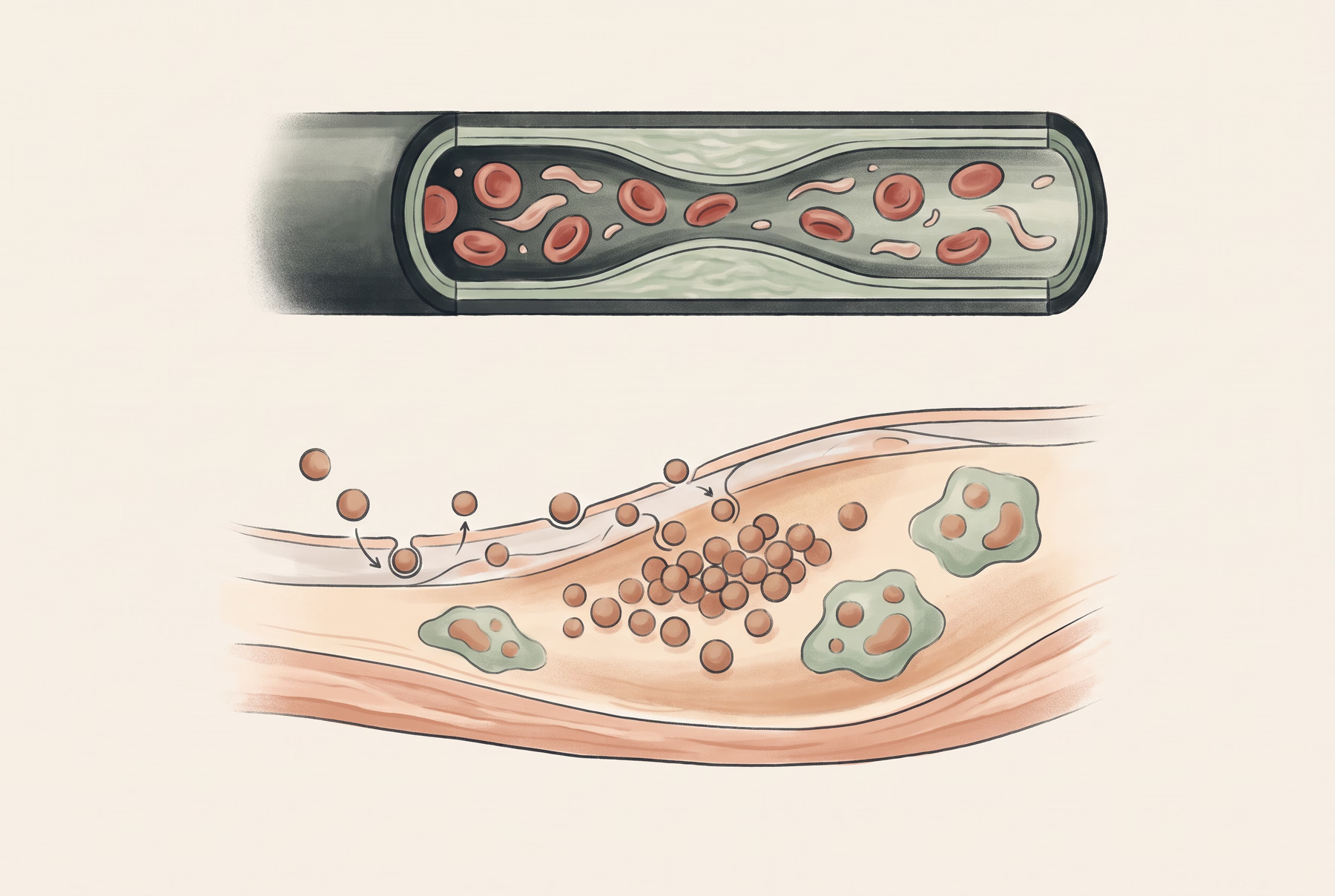
Plaque starts when apoB particles smaller than about 70 nm cross the artery lining and get trapped by proteoglycans in the wall [9]. LDL is the most common of these particles, but VLDL remnants and Lp(a) also carry apoB and also get in. That is why apoB and non-HDL cholesterol can add information, and why Lp(a) matters on its own.
The body also needs cholesterol for cell membranes, hormones and bile. Nearly every cell can make its own, so a low blood LDL does not starve the tissues of it. More on that in can LDL be too low.
Does LDL cholesterol cause heart disease?
Yes. The European Atherosclerosis Society concluded in 2017 that genetic, cohort and trial evidence together establish that LDL causes atherosclerotic cardiovascular disease, and that risk rises with both the level and the years of exposure.
Few risk factors have evidence this deep. Four kinds of study point the same way:
- Genetics. Rare mutations that raise LDL raise heart disease risk in step; variants that lower it protect [1]. In one Mendelian randomization analysis of 312,321 people, lifelong genetically lower LDL-C meant 54.5% lower coronary risk per 38.7 mg/dL (1 mmol/L)1 mmol/L (38.7 mg/dL), about three times the benefit of a statin started in later life [13].
- Cohorts. More than 200 prospective cohort studies show a log-linear rise in risk with LDL-C [1].
- Statin trials. In 4S, simvastatin lowered LDL-C by 35% and cut deaths from any cause by 30% in people with heart disease [14]. Pooling 26 trials, each 39 mg/dL (1.0 mmol/L)1.0 mmol/L (39 mg/dL) reduction cut major vascular events by about 22%, with no threshold seen even below 77 mg/dL (2 mmol/L)2 mmol/L (77 mg/dL) [2].
- Non-statin trials. Ezetimibe, PCSK9 antibodies and bempedoic acid each lowered events when they lowered LDL-C, which rules out a benefit unique to statins [15] [16] [17].
Lower is better, so far
IMPROVE-IT took average LDL-C from 69.5 to 53.7 mg/dL (1.8 to 1.4 mmol/L)1.8 to 1.4 mmol/L (69.5 to 53.7 mg/dL) and reduced events [15]. FOURIER reached a median of 30 mg/dL (0.78 mmol/L)0.78 mmol/L (30 mg/dL) and cut the main end point by 15% [16]. ODYSSEY OUTCOMES aimed for 25 to 50 mg/dL (0.6 to 1.3 mmol/L)0.6 to 1.3 mmol/L (25 to 50 mg/dL) after a heart attack and cut recurrent events by 15% [18]. In 2026, VESALIUS-CV showed that evolocumab also cut first events by 25% in people with atherosclerosis or diabetes who had not yet had a heart attack or stroke [19].
Benefit depends on the absolute drop. In a meta-regression of 49 trials, each 1 mmol/L lower achieved LDL-C meant 1.5% fewer major coronary events over five years in primary prevention and 4.6% fewer in secondary prevention [8].
From the lipid hypothesis to today's LDL goals
1913
Anitschkow links dietary cholesterol to artery lesions in rabbits
1972
Friedewald equation lets labs calculate LDL-C from a basic panel
1984
Coronary Primary Prevention Trial: lowering cholesterol cuts coronary events by 19%
1986
Brown and Goldstein describe the LDL receptor pathway
1994
4S: simvastatin lowers LDL-C 35% and deaths 30%
2006
PCSK9 variants show lifelong low LDL protects the heart
2010
CTT meta-analysis: about 22% fewer events per 1 mmol/L lower
2013
Martin-Hopkins equation improves LDL-C estimates
2015
IMPROVE-IT: going below 70 mg/dL adds benefit
2017
FOURIER reaches a median 30 mg/dL; EAS declares LDL causal
2020
Sampson-NIH equation and twice-yearly inclisiran
2023
CLEAR Outcomes: bempedoic acid helps statin-intolerant patients
2025
ESC/EAS focused update keeps goals of 55 and 70 mg/dL
2026
ACC/AHA guideline restores LDL-C goals; VESALIUS-CV shows primary prevention benefit
How is LDL cholesterol measured or calculated?
Most labs calculate LDL-C from total cholesterol, HDL and triglycerides with an equation. Friedewald, from 1972, is still common, but the newer Martin-Hopkins and Sampson-NIH equations are more accurate when triglycerides are high or LDL is low.
Measuring LDL directly by ultracentrifugation is slow and costly, so in 1972 Friedewald and colleagues proposed an estimate: total cholesterol minus HDL cholesterol minus triglycerides divided by 5 (in mg/dL) [20]. The division by 5 estimates VLDL cholesterol, and it assumes that ratio is fixed. In fact it varies widely [21].
Worked example (Friedewald): total cholesterol 200 mg/dL, HDL 50 mg/dL, triglycerides 150 mg/dL. LDL-C = 200 minus 50 minus 30 = 120 mg/dL (3.1 mmol/L)3.1 mmol/L (120 mg/dL).
Errors matter most where treatment decisions sit. In a 2026 analysis of nearly 5 million lipid panels, when triglycerides were 200 to 399 mg/dL and LDL-C was below 70 mg/dL, Friedewald underestimated LDL-C in 60% of patients, Sampson-NIH in 39% and Martin-Hopkins in 17% [3]. An underestimate can make someone look at goal when they are not.
If your report says "LDL calc" or "LDL calculated", an equation produced it. "Direct LDL" means an assay measured it. If your triglycerides are high or your LDL-C is low, it is reasonable to ask which method your lab uses, or to ask about apoB.
| Method | How it works | Main weakness | Accuracy in a 2026 comparison |
|---|---|---|---|
| Friedewald (1972) | Total minus HDL minus triglycerides divided by 5 (mg/dL) or 2.2 (mmol/L) | Fixed factor; unreliable at triglycerides of 400 mg/dL or more; reads low when LDL is low | 83.1% classified correctly |
| Martin-Hopkins (2013) | Same subtraction, but the factor comes from a 180-cell table of triglycerides and non-HDL | Needs the table or software in the lab system | 89.6% classified correctly |
| Sampson-NIH (2020) | Regression equation from triglycerides and non-HDL, validated up to 800 mg/dL | Less accurate than Martin-Hopkins at low LDL with high triglycerides | 86.3% classified correctly |
| Direct assay or ultracentrifugation | Measures LDL-C in the sample | Costs more than a calculation | Reference method used to judge the equations |
How a lab calculates LDL cholesterol
LDL-C = total cholesterol minus HDL-C minus VLDL-C
- Total cholesterol
- Measured
- 200 mg/dL (5.2 mmol/L)5.2 mmol/L (200 mg/dL)
- HDL-C
- Measured
- 50 mg/dL (1.3 mmol/L)1.3 mmol/L (50 mg/dL)
- VLDL-C
- Estimated: Friedewald divides triglycerides of 150 mg/dL (1.7 mmol/L)1.7 mmol/L (150 mg/dL) by 5 (2.2 in mmol/L)
- 30 mg/dL (0.8 mmol/L)0.8 mmol/L (30 mg/dL)
With triglycerides of 200 to 399 mg/dL and LDL-C below 70 mg/dL, Friedewald read too low in 60% of patients, Sampson-NIH in 39% and Martin-Hopkins in 17% (Park 2026).
Do you need to fast before an LDL cholesterol test?
Usually not. After normal meals, LDL-C is at most about 8 mg/dL (0.2 mmol/L)0.2 mmol/L (8 mg/dL) lower than fasting, so European laboratory and atherosclerosis societies recommend non-fasting lipid panels for routine testing.
A joint EAS and EFLM consensus found that non-fasting and fasting values predict cardiovascular disease equally well, and that skipping the fast makes people more likely to get tested [5]. Fasting may still be useful if non-fasting triglycerides are above 440 mg/dL (5 mmol/L)5 mmol/L (440 mg/dL), because very high triglycerides distort the calculation.
For non-fasting samples, the same consensus suggests labs flag LDL-C of 115 mg/dL (3.0 mmol/L)3.0 mmol/L (115 mg/dL) or more as above the desirable level, and LDL-C above 190 mg/dL (5 mmol/L)5 mmol/L (190 mg/dL) as a sign of possible familial hypercholesterolemia [5].
Some clinics still ask for a fast out of habit or because other tests on the same draw need one. Follow the instructions you are given.

What LDL cholesterol level should you aim for?
It depends on your cardiovascular risk. Both the 2025 European update and the 2026 US guideline now set goals of below 100 mg/dL (2.6 mmol/L)2.6 mmol/L (100 mg/dL) at moderate risk, below 70 mg/dL (1.8 mmol/L)1.8 mmol/L (70 mg/dL) at high risk and below 55 mg/dL (1.4 mmol/L)1.4 mmol/L (55 mg/dL) at very high risk.
General population categories describe where a number sits. Treatment goals describe where a clinician aims once risk is known, and they are lower.
The 2018 US guideline dropped numeric goals in favor of percentage reductions: at least 50% with a high-intensity statin and at least 30% with moderate intensity, with 70 mg/dL (1.8 mmol/L)1.8 mmol/L (70 mg/dL) as the trigger to add a non-statin drug in very high-risk patients [22]. The 2026 guideline replaced it and restored explicit goals, using the PREVENT calculator to sort people by 10-year risk [23] [4].
The European guideline has used goals since 2019 and kept them in its 2025 focused update [24] [25] [4]. The two now differ mainly in how they estimate risk and which drugs they suggest first, not in the numbers.
The table below puts all three side by side. Which row applies to you is a decision for your clinician. See what is a normal LDL level for general population and age-based ranges.
| Risk category | ESC/EAS 2019, kept in 2025 | AHA/ACC 2018 | ACC/AHA 2026 |
|---|---|---|---|
| Very high risk (most people with established atherosclerotic disease) | Below 55 (1.4) and at least 50% lower | No goal; add non-statin if 70 (1.8) or more on a maximal statin | Below 55 (1.4) |
| Recurrent event within 2 years despite maximal therapy | Below 40 (1.0) may be considered | Not a separate category | Not a separate category in the summaries we checked |
| Atherosclerotic disease, not very high risk | Counted as very high risk | High-intensity statin, at least 50% lower | Below 70 (1.8) |
| High risk without known disease | Below 70 (1.8) and at least 50% lower | 10-year risk 20% or more: at least 50% lower | PREVENT 10% or more: below 70 (1.8) |
| Moderate, borderline or intermediate risk | Below 100 (2.6) | 10-year risk 7.5% to 19.9%: at least 30% lower | PREVENT 3% to under 10%: below 100 (2.6) |
| Low risk | Below 116 (3.0) | Lifestyle first | No goal stated in the summaries we checked |
| LDL-C 190 (4.9) or more | Classed by overall risk | High-intensity statin without a risk calculation | No separate goal in the summaries we checked |
LDL cholesterol categories and guideline goals, in mg/dL
- Optimal
- 00 to 1002.6
- Near optimal
- 1002.6 to 1303.4
- Borderline high
- 1303.4 to 1604.1
- High
- 1604.1 to 1904.9
- Very high
- 1904.9 to 2205.7
- 40 mg/dL1 mmol/L: ESC/EAS: recurrent event within 2 years
- 55 mg/dL1.4 mmol/L: ESC/EAS and ACC/AHA 2026: very high risk
- 70 mg/dL1.8 mmol/L: High risk (both guidelines)
- 100 mg/dL2.6 mmol/L: Moderate or intermediate risk
- 116 mg/dL3 mmol/L: ESC/EAS: low risk
- 190 mg/dL4.9 mmol/L: Severe: high-intensity statin advised
LDL-C vs ApoB and non-HDL cholesterol: which is better?
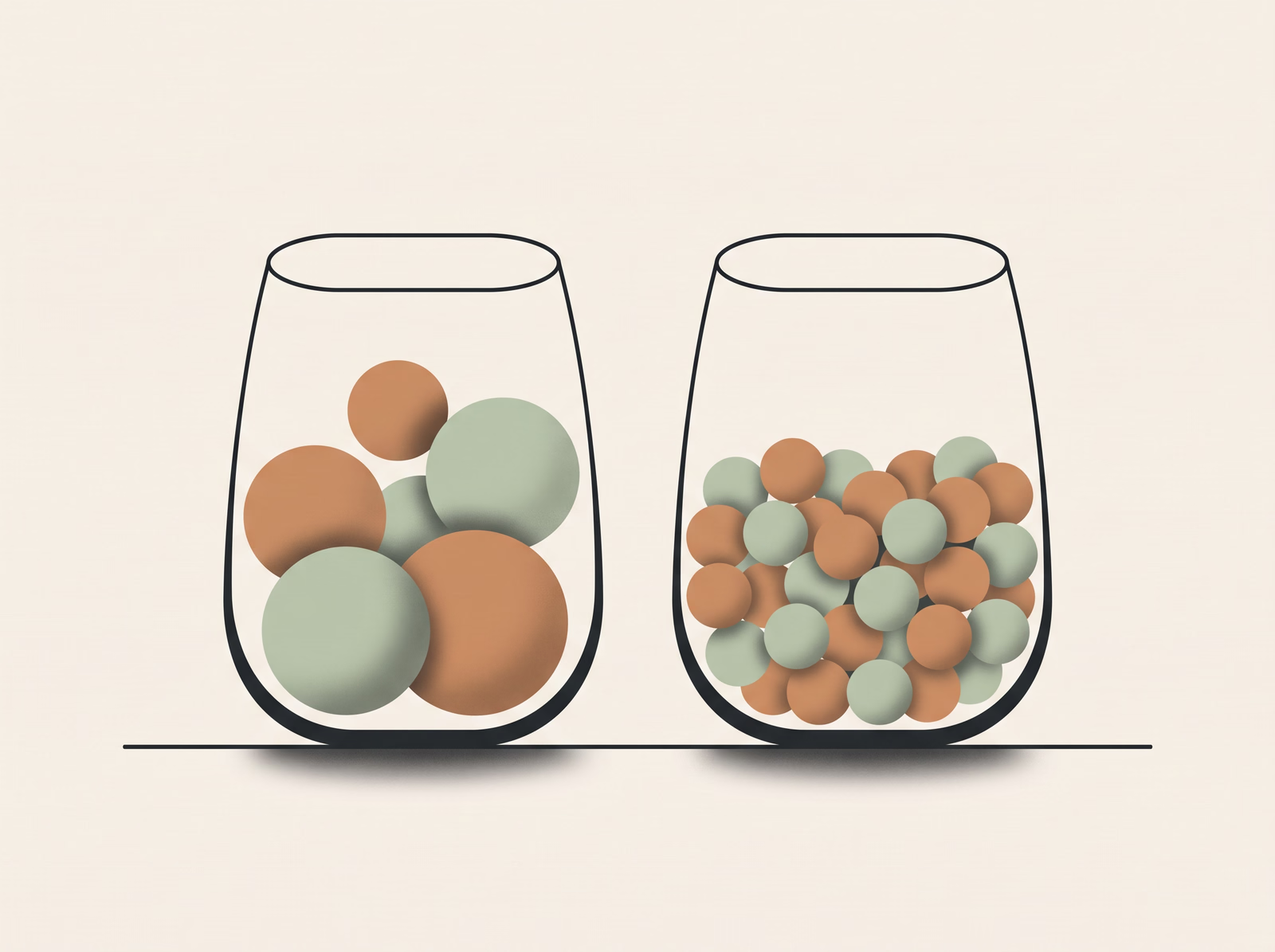
LDL-C measures cholesterol cargo; apoB counts the particles that carry it. When the two disagree, risk follows apoB and non-HDL cholesterol more closely, especially in people on statins.
Every LDL, VLDL, IDL and Lp(a) particle carries one apoB, so apoB counts all the particles that can enter the artery wall. LDL-C only weighs the cholesterol inside LDL. Small, cholesterol-poor particles raise apoB more than LDL-C [9].
In 13,015 statin users in Copenhagen, people with high apoB but low LDL-C had a 49% higher risk of heart attack, while high LDL-C with low apoB did not raise risk [6]. Discordance is more common with high triglycerides, diabetes, obesity and very low LDL-C.
Non-HDL cholesterol (total minus HDL) is free from any panel and captures VLDL and remnants as well as LDL. The 2026 US guideline pairs each LDL-C goal with a non-HDL goal 30 mg/dL higher [4].
LDL-C remains the number most trials used and most guidelines target. For the full comparison, read ApoB vs LDL cholesterol.
What does the evidence not show?
Trials have not found a level below which lowering LDL stops helping or starts harming, but most followed people for only a few years. Evidence is also thinner for primary prevention in young adults, for very old adults and for diet-induced high LDL in otherwise healthy people.
- Decades of very low LDL from drugs. Trial follow-up with PCSK9 antibodies now reaches 8.6 years with no safety signal at LDL-C below 20 mg/dL (0.5 mmol/L)0.5 mmol/L (20 mg/dL) [26]. Genetic data cover lifelong low LDL [12], but drugs started in adulthood over 30 or 40 years have not been tested.
- Who should start drugs early. Mendelian randomization suggests lifelong exposure matters most [13], but no trial has randomized healthy 30-year-olds to decades of treatment.
- High LDL on low-carbohydrate diets. A small study of lean ketogenic dieters with LDL-C of 190 mg/dL or more found plaque similar to matched controls [27], and its one-year follow-up found that baseline plaque rather than apoB predicted progression [28]. These were observational studies of about 100 people with no randomized control group, and noncalcified plaque still grew by a median 18.9 mm3 in a year. They do not overturn trials in hundreds of thousands of people.
- That mortality is lowest at a particular LDL. In a Danish cohort, all-cause death was U-shaped across LDL-C, lowest around 140 mg/dL (3.6 mmol/L)3.6 mmol/L (140 mg/dL), yet any rise in LDL-C was linked to more heart attacks [29]. Observational data cannot separate cause from effect; illness and frailty can lower cholesterol.
- That one diet works for everyone. Average effects in diet trials hide large individual differences, and baseline LDL changes the size of the response [7].
AumniVIDA explains lab data for general wellness. It does not diagnose or recommend medication; talk with your clinician about treatment.
The research
Foundational studies
The work that established what this marker means.
- 1972Estimation of the concentration of low-density lipoprotein cholesterol in plasma, without use of the preparative ultracentrifuge.Clin ChemIntroduced the equation that estimates LDL-C from total cholesterol, HDL cholesterol and triglycerides, which labs still use worldwide.
- 1986A receptor-mediated pathway for cholesterol homeostasis.ScienceDescribes how the LDL receptor pulls LDL particles into cells and how cells adjust receptor numbers to their cholesterol needs, the work behind the 1985 Nobel Prize.
- 1994Randomised trial of cholesterol lowering in 4444 patients with coronary heart disease: the Scandinavian Simvastatin Survival Study (4S).LancetSimvastatin lowered LDL-C by 35% and cut deaths from any cause by 30% in people with coronary heart disease.
- 1997Dietary lipids and blood cholesterol: quantitative meta-analysis of metabolic ward studies.BMJSwapping saturated fat for complex carbohydrate at 10% of calories lowered LDL-C by about 14 mg/dL (0.36 mmol/L)0.36 mmol/L (about 14 mg/dL), and avoiding 200 mg a day of dietary cholesterol lowered it by a further 0.10 mmol/L.
- 2006The pathogenesis of atherosclerosis. An interpretive history of the cholesterol controversy, part IV: the 1984 coronary primary prevention trial ends it--almost.J Lipid ResRecounts how the 1984 Coronary Primary Prevention Trial cut major coronary events by 19% with a cholesterol-lowering resin and led to the National Cholesterol Education Program.
- 2006Sequence variations in PCSK9, low LDL, and protection against coronary heart disease.N Engl J MedPeople born with PCSK9 variants had 15% to 28% lower LDL-C and 47% to 88% lower coronary risk over 15 years.
- 2012Effect of long-term exposure to lower low-density lipoprotein cholesterol beginning early in life on the risk of coronary heart disease: a Mendelian randomization analysis.J Am Coll CardiolLifelong genetically lower LDL-C was linked to a 54.5% lower coronary risk per 38.7 mg/dL (1 mmol/L)1 mmol/L (38.7 mg/dL), about three times the effect of a statin started later in life.
- 2013In celebration of the 100th anniversary of the lipid hypothesis of atherosclerosis.J Lipid ResMarks the centenary of Anitschkow's 1913 experiments, which first tied high blood cholesterol to the start of arterial lesions.
- 2013Comparison of a novel method vs the Friedewald equation for estimating low-density lipoprotein cholesterol levels from the standard lipid profile.JAMAReplacing Friedewald's fixed triglyceride factor of 5 with an adjustable factor from a 180-cell table classified LDL-C correctly far more often, above all when LDL-C is below 70 mg/dL and triglycerides are high.
- 2020A New Equation for Calculation of Low-Density Lipoprotein Cholesterol in Patients With Normolipidemia and/or Hypertriglyceridemia.JAMA CardiolThe NIH equation calculates LDL-C with triglycerides up to 800 mg/dL as accurately as Friedewald does below 400 mg/dL.
Guidelines and reviews
Where expert bodies and systematic reviews have landed.
- 2002Third Report of the National Cholesterol Education Program (NCEP) Expert Panel on Detection, Evaluation, and Treatment of High Blood Cholesterol in Adults (Adult Treatment Panel III) final report.CirculationDefined the adult LDL-C categories still printed on many lab reports: optimal below 100 mg/dL, near optimal 100 to 129, borderline high 130 to 159, high 160 to 189 and very high 190 or more.
- 2010Efficacy and safety of more intensive lowering of LDL cholesterol: a meta-analysis of data from 170,000 participants in 26 randomised trials.LancetEach 39 mg/dL (1.0 mmol/L)1.0 mmol/L (39 mg/dL) fall in LDL-C cut major vascular events by about 22% with no threshold, including in people who started below 2 mmol/L, and did not raise cancer.
- 2011Expert panel on integrated guidelines for cardiovascular health and risk reduction in children and adolescents: summary report.PediatricsRecommends universal lipid screening at ages 9 to 11 and 17 to 21 and sets child LDL-C cut points of below 110 mg/dL acceptable, 110 to 129 borderline and 130 or more high.
- 2013Familial hypercholesterolaemia is underdiagnosed and undertreated in the general population: guidance for clinicians to prevent coronary heart disease: consensus statement of the European Atherosclerosis Society.Eur Heart JFamilial hypercholesterolaemia raises coronary risk up to 13-fold, and screening is advised for adults with total cholesterol of 310 mg/dL (8 mmol/L)8 mmol/L (310 mg/dL) or more, tendon xanthomas or premature heart disease in the family.
- 2014LDL-cholesterol-lowering effect of plant sterols and stanols across different dose ranges: a meta-analysis of randomised controlled studies.Br J NutrPlant sterols or stanols at 0.6 to 3.3 g a day lowered LDL-C by 6% to 12%, with little extra effect above about 3 g.
- 2016Association Between Lowering LDL-C and Cardiovascular Risk Reduction Among Different Therapeutic Interventions: A Systematic Review and Meta-analysis.JAMAAcross 49 trials and 312,175 people, statins and other therapies that raise LDL receptor activity cut major vascular events by a similar 23% to 25% per 38.7 mg/dL (1 mmol/L)1 mmol/L (38.7 mg/dL) of LDL-C lowered.
- 2016Fasting is not routinely required for determination of a lipid profile: clinical and laboratory implications including flagging at desirable concentration cut-points-a joint consensus statement from the European Atherosclerosis Society and European Federation of Clinical Chemistry and Laboratory Medicine.Eur Heart JAfter usual meals LDL-C is at most about 8 mg/dL (0.2 mmol/L)0.2 mmol/L (8 mg/dL) lower than fasting, so non-fasting samples are recommended for routine lipid testing.
- 2017Low-density lipoproteins cause atherosclerotic cardiovascular disease. 1. Evidence from genetic, epidemiologic, and clinical studies. A consensus statement from the European Atherosclerosis Society Consensus Panel.Eur Heart JGenetic studies, more than 200 cohorts and randomized trials covering over 2 million people show a dose-dependent, log-linear link between LDL exposure and cardiovascular disease, establishing that LDL causes it.
- 20192018 AHA/ACC/AACVPR/AAPA/ABC/ACPM/ADA/AGS/APhA/ASPC/NLA/PCNA Guideline on the Management of Blood Cholesterol: A Report of the American College of Cardiology/American Heart Association Task Force on Clinical Practice Guidelines.CirculationUsed percentage reductions rather than goals: at least 50% with high-intensity statins, at least 30% with moderate intensity, a 70 mg/dL (1.8 mmol/L)1.8 mmol/L (70 mg/dL) threshold for adding nonstatins in very high risk, and high-intensity statins for LDL-C of 190 mg/dL (4.9 mmol/L)4.9 mmol/L (190 mg/dL) or more.
- 20202019 ESC/EAS Guidelines for the management of dyslipidaemias: lipid modification to reduce cardiovascular risk.Eur Heart JSets LDL-C goals by risk category: below 55 mg/dL (1.4 mmol/L)1.4 mmol/L (55 mg/dL) for very high risk, below 70 mg/dL (1.8 mmol/L)1.8 mmol/L (70 mg/dL) for high risk, below 100 mg/dL (2.6 mmol/L)2.6 mmol/L (100 mg/dL) for moderate risk and below 116 mg/dL (3.0 mmol/L)3.0 mmol/L (116 mg/dL) for low risk.
- 2020Low-density lipoproteins cause atherosclerotic cardiovascular disease: pathophysiological, genetic, and therapeutic insights: a consensus statement from the European Atherosclerosis Society Consensus Panel.Eur Heart JExplains how apoB particles smaller than about 70 nm cross the artery lining and are trapped by proteoglycans in the wall, which starts and feeds plaque.
- 2020Reduction in saturated fat intake for cardiovascular disease.Cochrane Database Syst RevCutting saturated fat for at least two years reduced combined cardiovascular events by 21%, with larger cuts giving larger benefits.
- 2020Dietary Cholesterol and Cardiovascular Risk: A Science Advisory From the American Heart Association.CirculationAdvises focusing on overall eating patterns such as Mediterranean or DASH rather than a single dietary cholesterol number.
- 2020Worldwide Prevalence of Familial Hypercholesterolemia: Meta-Analyses of 11 Million Subjects.J Am Coll CardiolFamilial hypercholesterolemia affects about 1 in 313 people overall and 1 in 14 people with LDL-C of 190 mg/dL or more.
Recent research
Notable work from the last three years.
- 2023Bempedoic Acid and Cardiovascular Outcomes in Statin-Intolerant Patients.N Engl J MedIn 13,970 statin-intolerant patients, bempedoic acid lowered LDL-C by 21.1 percentage points more than placebo and cut major cardiovascular events by 13%.
- 2023Association Between Achieved Low-Density Lipoprotein Cholesterol Levels and Long-Term Cardiovascular and Safety Outcomes: An Analysis of FOURIER-OLE.CirculationWith up to 8.6 years of follow-up, lower achieved LDL-C down to below 20 mg/dL (0.5 mmol/L)0.5 mmol/L (20 mg/dL) tracked with fewer cardiovascular events and no rise in cancer, hemorrhagic stroke, diabetes or neurocognitive events.
- 2024Carbohydrate Restriction-Induced Elevations in LDL-Cholesterol and Atherosclerosis: The KETO Trial.JACC AdvEighty lean ketogenic dieters with LDL-C of 190 mg/dL or more (mean 272) had coronary plaque similar to matched controls with a mean LDL-C of 123 mg/dL.
- 20252025 Focused Update of the 2019 ESC/EAS Guidelines for the management of dyslipidaemias.Eur Heart JUpdates the European guideline with new trial evidence while keeping the 2019 LDL-C goals for each risk category.
- 2025Longitudinal Data From the KETO-CTA Study: Plaque Predicts Plaque, ApoB Does Not.JACC AdvOver one year, 100 lean ketogenic dieters with very high LDL-C had a median 18.9 mm3 rise in noncalcified plaque, and baseline plaque, not apoB, predicted progression.
- 20262026 ACC/AHA/AACVPR/ABC/ACPM/ADA/AGS/APhA/ASPC/NLA/PCNA Guideline on the Management of Dyslipidemia: A Report of the American College of Cardiology/American Heart Association Joint Committee on Clinical Practice Guidelines.CirculationReplaces the 2018 US guideline, brings back explicit LDL-C goals (below 100, 70 or 55 mg/dL by risk) and adds the PREVENT risk calculator.
- 2026Evolocumab in Patients without a Previous Myocardial Infarction or Stroke.N Engl J MedIn 12,257 people with atherosclerosis or diabetes but no prior heart attack or stroke, evolocumab cut first major cardiovascular events by 25% over a median 4.6 years.
- 2026Development and Validation of a Simplified Martin-Hopkins LDL-C Equation Using Machine Learning.JAMA CardiolIn nearly 5 million lipid panels, Martin-Hopkins classified 89.6% of patients correctly versus 86.3% for Sampson-NIH and 83.1% for Friedewald, and Friedewald underestimated 60% of LDL-C values below 70 mg/dL when triglycerides were 200 to 399 mg/dL.
- 2026The 2026 ACC/AHA Dyslipidemia Guideline: A Critical and Transatlantic Perspective on Personalized Lipid Management.Life (Basel)Compares the 2026 US guideline with the 2025 European update and lists each one's LDL-C goals side by side, noting that the European goals were unchanged from 2019.
What well-known voices say about LDL cholesterol
Their positions, summarized in our words. Follow each link for the full context.
Peter AttiaPhysician, host of The Peter Attia Drive podcast and author of Outlive
Attia prefers apoB to LDL-C because it counts every atherogenic particle in one number. He argues for lowering it early and aggressively, treating about 60 mg/dL apoB as a ceiling and the 5th percentile as the aim, and uses statins and PCSK9 inhibitors with his patients to get there. His targets are stricter than any guideline and rest on extrapolation from genetic studies, not on trials in healthy young adults.
Seth MartinCardiologist at Johns Hopkins and co-developer of the Martin-Hopkins LDL equation
Martin argues that how a lab calculates LDL-C matters most for people with low LDL and high triglycerides, where the Friedewald equation often reads too low. He notes that differences of 5 to 20 mg/dL between methods can decide whether someone qualifies for added treatment, and his team notes that accurate estimates matter more now that the 2026 guideline sets fixed LDL-C goals.
Johns Hopkins Medicine news release on EurekAlert (July 2026)
Dave FeldmanEngineer, citizen scientist and founder of the Citizen Science Foundation
Feldman coined the term lean mass hyper-responder for lean people whose LDL-C rises very high on low-carbohydrate diets alongside high HDL and low triglycerides. He argues this pattern reflects energy metabolism, that LDL alone may not capture its risk, and that the question needs more data. The mainstream view, backed by genetic studies, cohorts and trials in hundreds of thousands of people, is that LDL causes atherosclerosis at any level; the studies from his group are small and observational, and plaque still grew over one year.
Watch
Talks and explainers worth your time. Nothing loads from YouTube until you press play.
Lipids Series-Familial Hypercholesterolemia
Mayo ClinicMayo Clinic@mayoclinicSubscribers1.3MStartedJune 2006CountryUnited StatesVideos12.6KTotal views501.8MNew videos, last 30 days61New videos, last year500+From YouTube, 2026-10-31Open on YouTube
Mayo Clinic explains the inherited cause behind many very high LDL results and why family testing matters.
Mayo Clinic Minute: Should You Take Statins?
Mayo ClinicMayo Clinic@mayoclinicSubscribers1.3MStartedJune 2006CountryUnited StatesVideos12.6KTotal views501.8MNew videos, last 30 days61New videos, last year500+From YouTube, 2026-10-31Open on YouTube
A short, plain-language look at who statins are for, the most common LDL-lowering medicine.
What are Cholesterol and Triglycerides?
OHSUOHSU@ohsunewsSubscribers24.7KStartedNovember 2010CountryUnited StatesVideos1.4KTotal views24.7MNew videos, last 30 days33New videos, last year132From YouTube, 2026-10-31Open on YouTube
An academic medical center's primer on the numbers on a lipid panel and how they relate.
What is LDL Cholesterol?
CommonSpirit - KentuckyCommonSpirit - Kentucky@commonspiritkentuckySubscribers607StartedJanuary 2019CountryUnited StatesVideos593Total views248.7KNew videos, last 30 days6New videos, last year63From YouTube, 2026-10-31Open on YouTube
A clinician from a hospital system explains what LDL is and why it is tracked.
Why Low Cholesterol & ApoB Levels Are Critical for Longevity | Dr. Peter Attia & Dr. Andrew Huberman
Huberman Lab ClipsHuberman Lab Clips@hubermanlabclipsSubscribers1.5MStartedJuly 2021CountryUnited StatesVideos574Total views137.5MNew videos, last 30 days22New videos, last year204From YouTube, 2026-10-31Open on YouTube
Attia makes his case for very low apoB and LDL, a stricter view than guidelines that many readers will have heard.
Protocols that act on LDL cholesterol
- Outlive and Medicine 3.0 (Peter Attia)Outlive is physician Peter Attia's 2023 book on Medicine 3.0, a prevention-first approach to longevity.
- Mediterranean dietThe Mediterranean diet is an eating pattern built on vegetables, fruit, legumes, whole grains, nuts, fish and olive oil as the main fat, with little red or processed meat, butter or sweets.
- Ketogenic dietA ketogenic diet keeps carbohydrate under about 20 to 50 g a day so the body burns fat and makes ketones, defined in supervised programs as blood BHB of 0.5 to 3.0 mmol/L.
- Carnivore dietThe carnivore diet is an animal-foods-only pattern of meat, fish, eggs and animal fat, often under 20 g of carbohydrate a day.
- Plant-based and vegan dietsA plant-based diet gets most or all of its food from plants: vegan diets exclude all animal foods, vegetarian diets exclude meat and fish.
Common questions
Is LDL cholesterol good or bad?
What is the difference between LDL and HDL cholesterol?
LDL particles carry cholesterol to tissues and can lodge in artery walls; HDL particles carry cholesterol away from tissues. Lowering LDL reliably cuts events, while CETP inhibitors, drugs that raise HDL, gave less benefit than their LDL change predicted [8].
What is the difference between LDL cholesterol and total cholesterol?
Total cholesterol is the cholesterol in all lipoproteins, including HDL. LDL-C is the share carried in LDL particles and is the main treatment target in guidelines [24].
What is the difference between LDL and non-HDL cholesterol?
Non-HDL cholesterol is total cholesterol minus HDL, so it adds VLDL and remnant cholesterol to LDL. US goals for non-HDL sit 30 mg/dL above the matching LDL-C goal [4].
What is the difference between LDL and VLDL?
The liver releases VLDL, a larger particle rich in triglycerides, which shrinks into LDL as it unloads fat. Friedewald's equation estimates VLDL cholesterol as triglycerides divided by 5 [21].
What does LDL cholesterol calc mean on my results?
It means your lab calculated LDL-C from total cholesterol, HDL and triglycerides rather than measuring it. Martin-Hopkins and Sampson-NIH calculations are more accurate than Friedewald when triglycerides are high [3].
Is high LDL cholesterol genetic?
Often in part. Familial hypercholesterolemia affects about 1 in 313 people and about 1 in 14 people with LDL-C of 190 mg/dL (4.9 mmol/L)4.9 mmol/L (190 mg/dL) or more [11].
Does LDL cholesterol go up with age?
It tends to rise through adulthood, and in women it jumps within about a year of the final menstrual period [30]. Guideline goals depend on risk, not age.
What is the relationship between LDL cholesterol and triglycerides?
High triglycerides mean more VLDL and remnant particles, which carry apoB but are not counted in LDL-C. They also make calculated LDL-C less accurate [3]. See the triglycerides hub.
Sources
- 1.Ference BA, Ginsberg HN, Graham I, et al. Low-density lipoproteins cause atherosclerotic cardiovascular disease. 1. Evidence from genetic, epidemiologic, and clinical studies. A consensus statement from the European Atherosclerosis Society Consensus Panel. Eur Heart J, 2017. doi:10.1093/eurheartj/ehx144
- 2.Cholesterol Treatment Trialists' (CTT) Collaboration, Baigent C, Blackwell L, et al. Efficacy and safety of more intensive lowering of LDL cholesterol: a meta-analysis of data from 170,000 participants in 26 randomised trials. Lancet, 2010. doi:10.1016/S0140-6736(10)61350-5
- 3.Park J, Fan L, Marzinke MA, et al. Development and Validation of a Simplified Martin-Hopkins LDL-C Equation Using Machine Learning. JAMA Cardiol, 2026. doi:10.1001/jamacardio.2026.2314
- 4.Sabouret P, Mafrica D, Giamundo DM, et al. The 2026 ACC/AHA Dyslipidemia Guideline: A Critical and Transatlantic Perspective on Personalized Lipid Management. Life (Basel), 2026. doi:10.3390/life16091470
- 5.Nordestgaard BG, Langsted A, Mora S, et al. Fasting is not routinely required for determination of a lipid profile: clinical and laboratory implications including flagging at desirable concentration cut-points-a joint consensus statement from the European Atherosclerosis Society and European Federation of Clinical Chemistry and Laboratory Medicine. Eur Heart J, 2016. doi:10.1093/eurheartj/ehw152
- 6.Johannesen CDL, Mortensen MB, Langsted A, Nordestgaard BG. Apolipoprotein B and Non-HDL Cholesterol Better Reflect Residual Risk Than LDL Cholesterol in Statin-Treated Patients. J Am Coll Cardiol, 2021. doi:10.1016/j.jacc.2021.01.027
- 7.Sabate J, Oda K, Ros E. Nut consumption and blood lipid levels: a pooled analysis of 25 intervention trials. Arch Intern Med, 2010. doi:10.1001/archinternmed.2010.79
- 8.Silverman MG, Ference BA, Im K, et al. Association Between Lowering LDL-C and Cardiovascular Risk Reduction Among Different Therapeutic Interventions: A Systematic Review and Meta-analysis. JAMA, 2016. doi:10.1001/jama.2016.13985
- 9.Boren J, Chapman MJ, Krauss RM, et al. Low-density lipoproteins cause atherosclerotic cardiovascular disease: pathophysiological, genetic, and therapeutic insights: a consensus statement from the European Atherosclerosis Society Consensus Panel. Eur Heart J, 2020. doi:10.1093/eurheartj/ehz962
- 10.Brown MS, Goldstein JL. A receptor-mediated pathway for cholesterol homeostasis. Science, 1986. doi:10.1126/science.3513311
- 11.Beheshti SO, Madsen CM, Varbo A, Nordestgaard BG. Worldwide Prevalence of Familial Hypercholesterolemia: Meta-Analyses of 11 Million Subjects. J Am Coll Cardiol, 2020. doi:10.1016/j.jacc.2020.03.057
- 12.Cohen JC, Boerwinkle E, Mosley TH Jr, Hobbs HH. Sequence variations in PCSK9, low LDL, and protection against coronary heart disease. N Engl J Med, 2006. doi:10.1056/NEJMoa054013
- 13.Ference BA, Yoo W, Alesh I, et al. Effect of long-term exposure to lower low-density lipoprotein cholesterol beginning early in life on the risk of coronary heart disease: a Mendelian randomization analysis. J Am Coll Cardiol, 2012. doi:10.1016/j.jacc.2012.09.017
- 15.Cannon CP, Blazing MA, Giugliano RP, et al. Ezetimibe Added to Statin Therapy after Acute Coronary Syndromes. N Engl J Med, 2015. doi:10.1056/NEJMoa1410489
- 16.Sabatine MS, Giugliano RP, Keech AC, et al. Evolocumab and Clinical Outcomes in Patients with Cardiovascular Disease. N Engl J Med, 2017. doi:10.1056/NEJMoa1615664
- 17.Nissen SE, Lincoff AM, Brennan D, et al. Bempedoic Acid and Cardiovascular Outcomes in Statin-Intolerant Patients. N Engl J Med, 2023. doi:10.1056/NEJMoa2215024
- 18.Schwartz GG, Steg PG, Szarek M, et al. Alirocumab and Cardiovascular Outcomes after Acute Coronary Syndrome. N Engl J Med, 2018. doi:10.1056/NEJMoa1801174
- 19.Bohula EA, Marston NA, Bhatia AK, et al. Evolocumab in Patients without a Previous Myocardial Infarction or Stroke. N Engl J Med, 2026. doi:10.1056/NEJMoa2514428
- 20.Friedewald WT, Levy RI, Fredrickson DS. Estimation of the concentration of low-density lipoprotein cholesterol in plasma, without use of the preparative ultracentrifuge. Clin Chem, 1972. PubMed 4337382
- 21.Martin SS, Blaha MJ, Elshazly MB, et al. Comparison of a novel method vs the Friedewald equation for estimating low-density lipoprotein cholesterol levels from the standard lipid profile. JAMA, 2013. doi:10.1001/jama.2013.280532
- 22.Grundy SM, Stone NJ, Bailey AL, et al. 2018 AHA/ACC/AACVPR/AAPA/ABC/ACPM/ADA/AGS/APhA/ASPC/NLA/PCNA Guideline on the Management of Blood Cholesterol: A Report of the American College of Cardiology/American Heart Association Task Force on Clinical Practice Guidelines. Circulation, 2019. doi:10.1161/CIR.0000000000000625
- 23.Blumenthal RS, Morris PB, Gaudino M, et al. 2026 ACC/AHA/AACVPR/ABC/ACPM/ADA/AGS/APhA/ASPC/NLA/PCNA Guideline on the Management of Dyslipidemia: A Report of the American College of Cardiology/American Heart Association Joint Committee on Clinical Practice Guidelines. Circulation, 2026. doi:10.1161/CIR.0000000000001423
- 24.Mach F, Baigent C, Catapano AL, et al. 2019 ESC/EAS Guidelines for the management of dyslipidaemias: lipid modification to reduce cardiovascular risk. Eur Heart J, 2020. doi:10.1093/eurheartj/ehz455
- 25.Mach F, Koskinas KC, Roeters van Lennep JE, et al. 2025 Focused Update of the 2019 ESC/EAS Guidelines for the management of dyslipidaemias. Eur Heart J, 2025. doi:10.1093/eurheartj/ehaf190
- 26.Gaba P, O'Donoghue ML, Park JG, et al. Association Between Achieved Low-Density Lipoprotein Cholesterol Levels and Long-Term Cardiovascular and Safety Outcomes: An Analysis of FOURIER-OLE. Circulation, 2023. doi:10.1161/CIRCULATIONAHA.122.063399
- 27.Budoff M, Manubolu VS, Kinninger A, et al. Carbohydrate Restriction-Induced Elevations in LDL-Cholesterol and Atherosclerosis: The KETO Trial. JACC Adv, 2024. doi:10.1016/j.jacadv.2024.101109
- 28.Soto-Mota A, Norwitz NG, Manubolu VS, et al. Longitudinal Data From the KETO-CTA Study: Plaque Predicts Plaque, ApoB Does Not. JACC Adv, 2025. doi:10.1016/j.jacadv.2025.101686
- 29.Johannesen CDL, Langsted A, Mortensen MB, Nordestgaard BG. Association between low density lipoprotein and all cause and cause specific mortality in Denmark: prospective cohort study. BMJ, 2020. doi:10.1136/bmj.m4266
- 30.Matthews KA, Crawford SL, Chae CU, et al. Are changes in cardiovascular disease risk factors in midlife women due to chronological aging or to the menopausal transition?. J Am Coll Cardiol, 2009. doi:10.1016/j.jacc.2009.10.009
- 31.National Cholesterol Education Program Expert Panel. Third Report of the National Cholesterol Education Program (NCEP) Expert Panel on Detection, Evaluation, and Treatment of High Blood Cholesterol in Adults (Adult Treatment Panel III) final report. Circulation, 2002. PubMed 12485966
- 32.Expert Panel on Integrated Guidelines for Cardiovascular Health and Risk Reduction in Children and Adolescents, National Heart, Lung, and Blood Institute. Expert panel on integrated guidelines for cardiovascular health and risk reduction in children and adolescents: summary report. Pediatrics, 2011. doi:10.1542/peds.2009-2107C
- 33.Nordestgaard BG, Chapman MJ, Humphries SE, et al. Familial hypercholesterolaemia is underdiagnosed and undertreated in the general population: guidance for clinicians to prevent coronary heart disease: consensus statement of the European Atherosclerosis Society. Eur Heart J, 2013. doi:10.1093/eurheartj/eht273
- 34.Sampson M, Ling C, Sun Q, et al. A New Equation for Calculation of Low-Density Lipoprotein Cholesterol in Patients With Normolipidemia and/or Hypertriglyceridemia. JAMA Cardiol, 2020. doi:10.1001/jamacardio.2020.0013
- 35.Steinberg D. In celebration of the 100th anniversary of the lipid hypothesis of atherosclerosis. J Lipid Res, 2013. doi:10.1194/jlr.R043414
- 36.Steinberg D. The pathogenesis of atherosclerosis. An interpretive history of the cholesterol controversy, part IV: the 1984 coronary primary prevention trial ends it--almost. J Lipid Res, 2006. doi:10.1194/jlr.R500014-JLR200
- 37.Giugliano RP, Pedersen TR, Park JG, et al. Clinical efficacy and safety of achieving very low LDL-cholesterol concentrations with the PCSK9 inhibitor evolocumab: a prespecified secondary analysis of the FOURIER trial. Lancet, 2017. doi:10.1016/S0140-6736(17)32290-0
- 38.Giugliano RP, Mach F, Zavitz K, et al. Cognitive Function in a Randomized Trial of Evolocumab. N Engl J Med, 2017. doi:10.1056/NEJMoa1701131
- 39.Ray KK, Wright RS, Kallend D, et al. Two Phase 3 Trials of Inclisiran in Patients with Elevated LDL Cholesterol. N Engl J Med, 2020. doi:10.1056/NEJMoa1912387
- 40.Swerdlow DI, Preiss D, Kuchenbaecker KB, et al. HMG-coenzyme A reductase inhibition, type 2 diabetes, and bodyweight: evidence from genetic analysis and randomised trials. Lancet, 2015. doi:10.1016/S0140-6736(14)61183-1
- 41.Clarke R, Frost C, Collins R, Appleby P, Peto R. Dietary lipids and blood cholesterol: quantitative meta-analysis of metabolic ward studies. BMJ, 1997. doi:10.1136/bmj.314.7074.112
- 42.Hooper L, Martin N, Jimoh OF, et al. Reduction in saturated fat intake for cardiovascular disease. Cochrane Database Syst Rev, 2020. doi:10.1002/14651858.CD011737.pub2
- 43.Mensink RP, Zock PL, Kester AD, Katan MB. Effects of dietary fatty acids and carbohydrates on the ratio of serum total to HDL cholesterol and on serum lipids and apolipoproteins: a meta-analysis of 60 controlled trials. Am J Clin Nutr, 2003. doi:10.1093/ajcn/77.5.1146
- 44.Brown L, Rosner B, Willett WW, Sacks FM. Cholesterol-lowering effects of dietary fiber: a meta-analysis. Am J Clin Nutr, 1999. doi:10.1093/ajcn/69.1.30
- 45.Ho HV, Sievenpiper JL, Zurbau A, et al. The effect of oat beta-glucan on LDL-cholesterol, non-HDL-cholesterol and apoB for CVD risk reduction: a systematic review and meta-analysis of randomised-controlled trials. Br J Nutr, 2016. doi:10.1017/S000711451600341X
- 46.Ha V, Sievenpiper JL, de Souza RJ, et al. Effect of dietary pulse intake on established therapeutic lipid targets for cardiovascular risk reduction: a systematic review and meta-analysis of randomized controlled trials. CMAJ, 2014. doi:10.1503/cmaj.131727
- 47.Blanco Mejia S, Messina M, Li SS, et al. A Meta-Analysis of 46 Studies Identified by the FDA Demonstrates that Soy Protein Decreases Circulating LDL and Total Cholesterol Concentrations in Adults. J Nutr, 2019. doi:10.1093/jn/nxz020
- 48.Ras RT, Geleijnse JM, Trautwein EA. LDL-cholesterol-lowering effect of plant sterols and stanols across different dose ranges: a meta-analysis of randomised controlled studies. Br J Nutr, 2014. doi:10.1017/S0007114514000750
- 49.Jenkins DJ, Kendall CW, Marchie A, et al. Effects of a dietary portfolio of cholesterol-lowering foods vs lovastatin on serum lipids and C-reactive protein. JAMA, 2003. doi:10.1001/jama.290.4.502
- 50.Jenkins DJ, Jones PJ, Lamarche B, et al. Effect of a dietary portfolio of cholesterol-lowering foods given at 2 levels of intensity of dietary advice on serum lipids in hyperlipidemia: a randomized controlled trial. JAMA, 2011. doi:10.1001/jama.2011.1202
- 51.Berger S, Raman G, Vishwanathan R, Jacques PF, Johnson EJ. Dietary cholesterol and cardiovascular disease: a systematic review and meta-analysis. Am J Clin Nutr, 2015. doi:10.3945/ajcn.114.100305
- 52.Carson JAS, Lichtenstein AH, Anderson CAM, et al. Dietary Cholesterol and Cardiovascular Risk: A Science Advisory From the American Heart Association. Circulation, 2020. doi:10.1161/CIR.0000000000000743
- 53.Cai L, Ma D, Zhang Y, Liu Z, Wang P. The effect of coffee consumption on serum lipids: a meta-analysis of randomized controlled trials. Eur J Clin Nutr, 2012. doi:10.1038/ejcn.2012.68
- 54.Jee SH, He J, Appel LJ, et al. Coffee consumption and serum lipids: a meta-analysis of randomized controlled clinical trials. Am J Epidemiol, 2001. doi:10.1093/aje/153.4.353
- 55.Brien SE, Ronksley PE, Turner BJ, Mukamal KJ, Ghali WA. Effect of alcohol consumption on biological markers associated with risk of coronary heart disease: systematic review and meta-analysis of interventional studies. BMJ, 2011. doi:10.1136/bmj.d636
- 56.Dattilo AM, Kris-Etherton PM. Effects of weight reduction on blood lipids and lipoproteins: a meta-analysis. Am J Clin Nutr, 1992. doi:10.1093/ajcn/56.2.320
- 57.Pandor A, Ara RM, Tumur I, et al. Ezetimibe monotherapy for cholesterol lowering in 2,722 people: systematic review and meta-analysis of randomized controlled trials. J Intern Med, 2009. doi:10.1111/j.1365-2796.2008.02062.x