
Outlive and Medicine 3.0 (Peter Attia)
What is outlive and medicine 3.0 (peter attia)?
Outlive is physician Peter Attia's 2023 book on Medicine 3.0, a prevention-first approach to longevity. It targets the four horsemen (heart disease, cancer, neurodegeneration and metabolic disease) with exercise as the main lever: stability, strength, Zone 2 and VO2max training, plus nutrition, sleep, emotional health and early, aggressive lipid lowering.

Rated by what it asks you to do. Training for strength and fitness, sleeping well and preventing diabetes match strong mainstream evidence, and lowering apoB earlier and further than guidelines rests on strong genetic evidence but no long trials in low-risk people. High protein targets, the special status of Zone 2 and extensive screening that can find harmless problems are debated, and nutrition researchers say the book gives cohort evidence on diet less weight than it deserves. Drugs and fasts Attia has tried on himself, such as rapamycin, metformin and week-long water fasts, are listed separately as his experiments and do not count here.
The rules
The rules ofOutlive and Medicine 3.0 (Peter Attia)
- 1Organize long-term risk around the four horsemen: atherosclerotic cardiovascular disease, cancer, neurodegenerative disease and metabolic disease.
- 2Start prevention decades before disease, weighing the risk of acting against the risk of waiting.
- 3Train all four pillars every week: stability, strength, Zone 2 aerobic base (lactate below about 2 mmol/L) and VO2max intervals.
- 4Plan training around a centenarian decathlon: the specific physical tasks you want to manage in your last decade.
- 5Eat for adequate protein and appropriate energy intake, adjusting to your own data rather than following a named diet.
- 6Lower apoB and LDL early and aggressively when risk justifies it, with a clinician.
- 7Treat sleep and emotional health as pillars, not afterthoughts.
- 8Use medications, such as lipid-lowering drugs, where risk and evidence justify them, with a prescriber.
Share these rules as an image or a link.
| Outlive as written | The full framework from the 2023 book, delivered through a clinician who orders extensive testing and coaching. |
|---|---|
| Time-limited training | Attia's 2026 split for about 2 hours a week: two high-intensity sessions with short Zone 2 warm-ups, plus strength work. |
| High-volume training | About 6 or more hours a week: roughly 4 hours of Zone 2 and 2 hours of harder work, or an 80:20 easy to hard split above 7 to 8 hours. |
| AumniVIDA Attia-style | A scorecard applying the centenarian decathlon, four horsemen and training pillars to your data, with protein of at least 1.6 g/kg a day and added sugar of at most 5% of energy. |
What it aims to do
- Delay or prevent the four main chronic diseases of aging.
- Extend healthspan: physical, cognitive and emotional function in later life.
- Build enough strength, aerobic capacity and stability to stay independent into the last decade.
- Keep lifetime exposure to apoB-carrying lipoproteins low.
- Catch metabolic dysfunction and cancer early.
What it claims, and what the evidence shows
Grades reflect evidence in people. Animal and cell results alone never earn more than limited.
Lifespan and mortality
Moderate evidenceHeart and blood vessels
Strong evidenceCardiorespiratory fitness
Moderate evidenceMuscle and strength
Strong evidenceBlood sugar and insulin
Strong evidenceExercise and nutrition prevent metabolic disease
A lifestyle program with 7% weight loss and 150 minutes of activity a week cut new type 2 diabetes by 58% in a large randomized trial. [16]
Cancer risk
Mixed evidenceEarlier and more frequent screening lowers cancer deaths
Screening can reduce some cancers, but one colonoscopy invitation cut colorectal cancer by 18% without a significant drop in colorectal cancer death or overall mortality. [7]
Sleep
Moderate evidenceAdequate sleep protects long-term health
Short and long sleep are both linked to higher mortality in 1.4 million people, but the evidence is observational. [17]
Mood and stress
Moderate evidenceEmotional health and relationships are part of longevity
Stronger social relationships are linked to 50% greater odds of survival across 148 studies, an observational finding. [18]
How it handles evidence
As presented by Peter Attia. Three checks you can verify from the sources, separate from the evidence ratings above.
Partly open to evidence
Separates its advice from experimentsPartly
He discusses drugs he has tried apart from what he prescribes, and in September 2023 stressed his reservations about giving rapamycin widely to patients. His own routine and his general advice often come up in the same interviews, so readers have to tell the two apart.
Says how strong the evidence is for each recommendationPartly
Outlive explains the gap between trial and cohort evidence but does not grade each recommendation, and a December 2024 Red Pen Reviews check found it dismisses nutrition cohort studies while leaning on them for protein and misstates two cited studies. On his podcast he now sorts interventions as proven, promising, fuzzy, noise or nonsense, for example rapamycin as promising in May 2024.
Has publicly changed its advice when the evidence changedYes
He has publicly changed course several times: he stopped metformin in 2019 after 9 years, dropped long water fasts after a 2021 scan showed muscle loss, and in October 2026 set out how his views on fasting, keto, metformin, rapamycin, whole-body MRI and Zone 2 had changed.
The Drive #411, AMA #90: Strong convictions, loosely held (October 2026)
Key takeaways
What is Outlive and Medicine 3.0?
Outlive (2023) is physician Peter Attia's book, written with journalist Bill Gifford, arguing for Medicine 3.0: prevention that starts decades before disease, is tailored to the person and aims at healthspan as well as lifespan. Its tools are exercise, nutrition, sleep, emotional health and, where warranted, drugs and supplements.
Peter Attia trained in medicine at Stanford and in surgery at Johns Hopkins, founded the clinic Early Medical and hosts The Drive podcast. His site frames longevity as a balance of lifespan and healthspan, and puts it simply: to live longer you have to live longer without chronic disease [1].
In the book, Medicine 3.0 is set against standard care, which tends to treat diseases once they are diagnosed. Medicine 3.0 is meant to:
- Act early. Start reducing risk in your 30s and 40s for diseases that kill in your 70s and 80s.
- Be personal. Tailor screening, training and diet to the individual's risks and data.
- Accept risk trade-offs. Weigh the risks of acting against the risks of waiting, rather than waiting for certainty.
- Target healthspan. Protect physical, cognitive and emotional function, not only years of life.
Outlive calls its levers tactics: exercise, nutrition, sleep, emotional health and medications and supplements [1]. Exercise gets the most space.
Peter Attia has not reviewed or endorsed this page, and AumniVIDA is not affiliated with him. We summarize the framework from the book's own page and his published articles, and grade each pillar against independent research. Outlive is a book of arguments, so it sits in the hypotheses tier of our evidence rows; the studies it draws on are graded separately.
What are the four horsemen in Outlive?
The four horsemen are atherosclerotic cardiovascular disease, cancer, neurodegenerative disease such as Alzheimer's, and metabolic disease such as type 2 diabetes. Attia writes that together they account for over 80% of deaths in nonsmokers over 50, so prevention should target each one.
Organizing risk this way changes what you measure and when. The framework's main levers for each horseman, and how well each lever is supported:
| Horseman | Main levers in the framework | Evidence for the lever |
|---|---|---|
| Atherosclerotic disease | Lower apoB and LDL early, control blood pressure, exercise | Strong: each 1 mmol/L lower LDL cuts major vascular events by 22% in trials [3] |
| Cancer | Avoid smoking, keep metabolic health, screen early | Mixed for screening: one colonoscopy invitation cut colorectal cancer by 18% but not overall deaths [7] |
| Neurodegenerative disease | Exercise, sleep, vascular and metabolic health | Mostly observational |
| Metabolic disease | Exercise, weight and diet | Strong: a lifestyle program cut new diabetes by 58% [16] |
Metabolic dysfunction runs through the other three: insulin resistance raises cardiovascular, cancer and dementia risk, which is why the framework treats it early. Markers that speak to each horseman include ApoB, Lp(a) and LDL cholesterol for the heart, and HbA1c, fasting insulin and triglycerides for metabolic health.
The four horsemen and the levers for each
Atherosclerotic disease
Markers: ApoB, LDL cholesterol, Lp(a)
- Lower apoB and LDL early. Strong: each 1 mmol/L lower cut major vascular events 22% in trials
- Control blood pressure
- Exercise
Cancer
Evidence for screening: mixed
- Avoid smoking
- Keep metabolic health
- Screen early. One colonoscopy invitation cut colorectal cancer 18% but not overall deaths
Neurodegenerative disease
Evidence for the levers: mostly observational
- Exercise
- Sleep
- Vascular and metabolic health
Metabolic disease
Markers: HbA1c, fasting insulin, triglycerides
- Exercise
- Weight and diet. Strong: a lifestyle program cut new diabetes by 58%
Attia writes that the four cause over 80% of deaths in nonsmokers over 50. Exercise, sleep, nutrition and emotional health act on all four, and the framework treats exercise as the main lever.
Why does Attia call exercise the most powerful longevity drug?
Because fitness and strength predict survival more strongly than most risk factors. In 122,007 adults, low treadmill fitness carried five times the death risk of elite fitness, more than smoking or diabetes. Trials show exercise improves risk factors, but a 5-year trial in older adults did not lower mortality.
The book's case rests largely on cohort data. In a Cleveland Clinic cohort of 122,007 adults, the adjusted hazard ratio for death was 5.04 for the least fit compared with the most fit, against 1.41 for smoking and 1.40 for diabetes [2]. A meta-analysis of 33 cohorts found each extra 1 MET of fitness linked to 13% lower mortality [9]. For strength, each 5 kg lower grip strength was linked to 16% higher mortality in 17 countries [15], and muscle-strengthening activity to 10% to 17% lower mortality [10].
The caveat: fitness is partly inherited and partly a sign of health, so these cohorts cannot prove that training more will add years. The best randomized test, Generation 100, assigned 1,567 Norwegians around 73 to 5 years of supervised exercise; mortality did not differ from people following activity guidelines, though the high-intensity group showed a nonsignificant trend toward fewer deaths [8]. Many controls also exercised, which narrowed the contrast.
The centenarian decathlon. Attia's planning tool asks you to list the physical tasks you want to manage in your last decade, such as carrying groceries upstairs or lifting a grandchild, and to train now with enough margin for decline. It turns a vague goal into specific capacities: strength, aerobic capacity, balance and joint stability.
Risk of death: low fitness compared with common risk factors
- Low vs elite fitness5.04 hazard ratio for death
- Below vs above average fitness1.41 hazard ratio for death
- Smoking1.41 hazard ratio for death
- Diabetes1.4 hazard ratio for death
- Coronary artery disease1.29 hazard ratio for death
Show the data
| Item | Value (hazard ratio for death) | Low | High | Note |
|---|---|---|---|---|
| Low vs elite fitness | 5.04 | 4.1 | 6.2 | |
| Below vs above average fitness | 1.41 | 1.34 | 1.49 | |
| Smoking | 1.41 | 1.36 | 1.46 | |
| Diabetes | 1.4 | 1.34 | 1.46 | |
| Coronary artery disease | 1.29 | 1.24 | 1.35 |
How does Outlive structure training: stability, strength, Zone 2 and VO2max?
Attia's training has four pillars: stability as the foundation, strength, an aerobic base in Zone 2 (lactate under about 2 mmol/L) and VO2max work with short hard intervals. His 2026 guidance splits aerobic time by the hours available, such as about 4 hours of Zone 2 and 2 hours of harder work in a 6-hour week.
Stability covers balance, control and joint health, which Attia treats as the base that makes the other three safer [1]. Strength focuses on preserving muscle and grip with age; see strength training.
Zone 2 is the highest sustained effort at which blood lactate stays below about 2 mmol/L, or roughly a pace where you can speak in full sentences but would rather not chat [19]. The idea draws on lactate research showing that elite endurance athletes burn more fat and produce less lactate at a given effort than less fit people [13]. See Zone 2 cardio.
VO2max training uses short, hard intervals near maximum effort; the Norwegian 4x4 is a common format. Both continuous training and intervals raise VO2max by about 5 mL/kg/min compared with no exercise [5].
Attia's 2026 article reframes Zone 2 as a means to an end [19]:
| Weekly time | Suggested split |
|---|---|
| About 2 hours | Two high-intensity sessions, each with a 10 to 15 minute Zone 2 warm-up |
| About 6 hours | About 4 hours Zone 2, 2 hours harder work |
| 7 to 8 hours or more | Roughly 80% easy, 20% hard |
The main scientific pushback is about Zone 2. A 2025 review by exercise physiologists including Martin Gibala concluded that evidence does not support Zone 2 as the best intensity for building mitochondria, and that harder work matters more when time is short [6]. Attia's newer guidance moves in the same direction for people with little time.
Stability, strength, Zone 2 and VO2max by weekly time budget
Step 1
About 2 hours a week
2 hard sessions
Each with a 10 to 15 minute Zone 2 warm-up.
Step 2
About 6 hours a week
4 h Zone 2, 2 h harder
Zone 2 is the highest effort with lactate below about 2 mmol/L.
Step 3
7 to 8 hours or more
About 80% easy, 20% hard
The classic endurance split once time allows.
The splits sit on four pillars: stability as the base, then strength, Zone 2 and VO2max intervals such as the Norwegian 4x4. Strength training is linked to lower mortality in cohort data.
Why does Attia push early, aggressive lipid management?
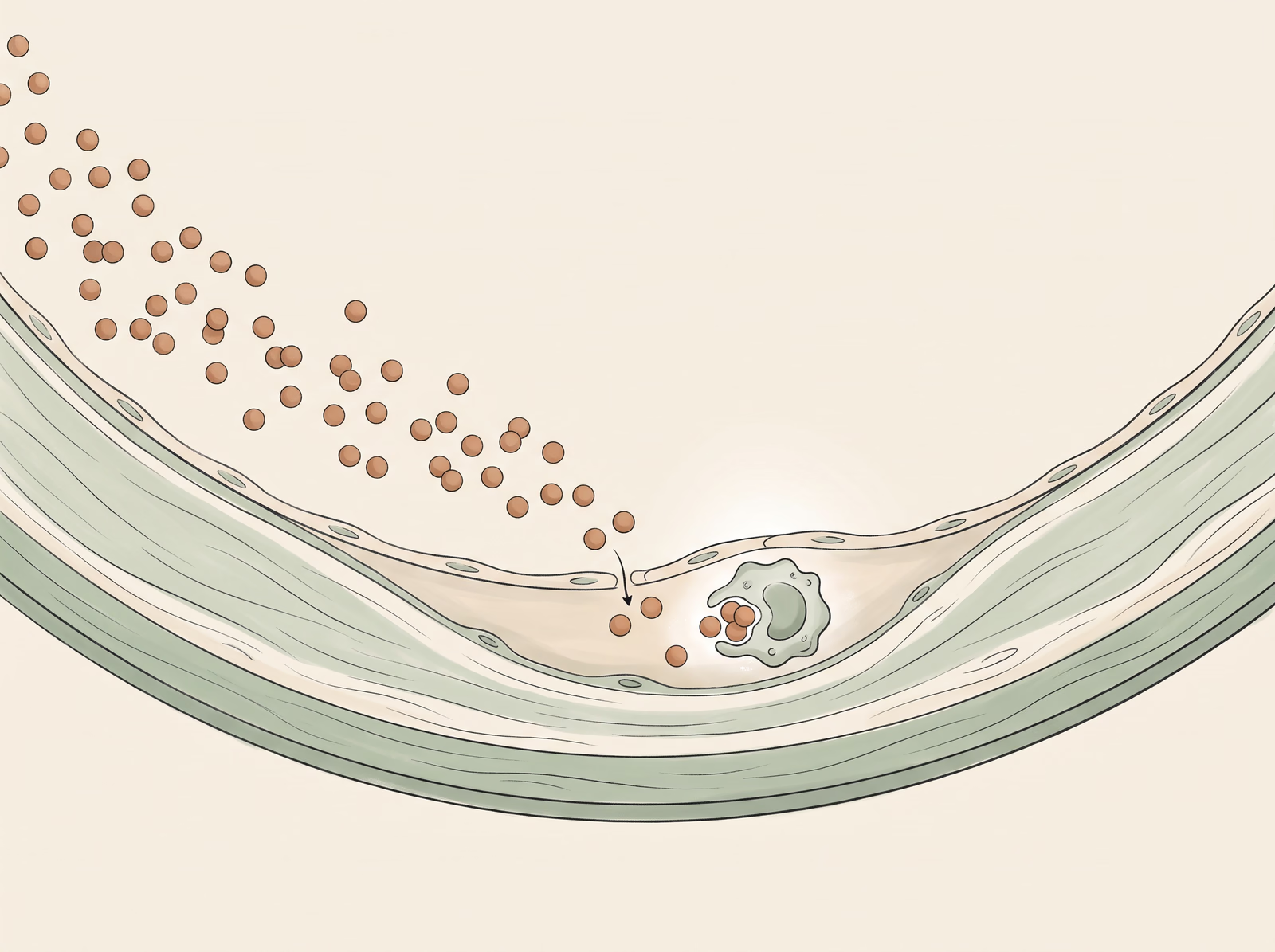
Because apoB-carrying particles such as LDL cause atherosclerosis and the damage builds over decades. Genetic studies show that lifelong lower LDL cuts heart disease risk about three times more per unit than statins started later, so Attia favors lowering apoB based on risk, years before plaque or symptoms appear.
A European Atherosclerosis Society panel concluded in 2017 that LDL particles cause atherosclerotic cardiovascular disease and that risk tracks cumulative exposure [11]. The strongest support for starting early is genetic: variants that lower LDL from birth cut coronary heart disease risk by 54.5% per 38.7 mg/dL (1 mmol/L)1 mmol/L (38.7 mg/dL), about three times the effect of statins started in mid-life [4].
Trials confirm that lowering LDL helps at any starting level tested. Each 1 mmol/L reduction cut major vascular events by 22% and all-cause mortality by 10% across 26 statin trials [3]. Adding evolocumab to statins took LDL to a median 30 mg/dL (0.78 mmol/L)0.78 mmol/L (30 mg/dL) and cut events by a further 15% in people with heart disease [12].
Attia's 2026 article argues that very high LDL is a problem to address, not a gamble, even in people whose LDL rises on a ketogenic diet, and that treatment should follow risk rather than wait for imaging [20].
Where the evidence stops. No trial has started drugs in healthy people in their 30s and followed them for decades, so the case for very early treatment combines genetics with shorter trials in higher-risk people. Guidelines still base treatment on estimated 10-year or lifetime risk. Read more on the ApoB and Lp(a) hubs, and discuss treatment with your clinician.
What does Outlive say about nutrition, sleep and emotional health?
Outlive treats the choice of named diet as the wrong question and focuses on nutritional biochemistry: enough protein, appropriate energy intake and using your own data to adjust. It treats sleep and emotional health as pillars in their own right, arguing that ignoring emotional health while chasing longevity is a serious mistake.
Nutrition. The book's page frames diets as the wrong focus and favors adjusting what you eat to your own biomarkers and body composition [1]. Protein is the most concrete target in Attia-style plans. Protein added to strength training increases muscle and strength, with no further gain in fat-free mass above about 1.62 g/kg a day [14]. AumniVIDA's Attia-style protocol uses 1.6 g/kg a day as its protein floor; see high-protein diets. For preventing metabolic disease, lifestyle change with modest weight loss and 150 minutes of activity a week cut new diabetes by 58%, almost twice the effect of metformin [16].
Sleep. Both short and long sleep are linked to higher mortality, by 12% and 30% respectively, in pooled cohorts of 1.4 million people [17]. These links are observational. Practical sleep steps overlap with morning sunlight and a regular schedule.
Emotional health. Outlive argues that neglecting emotional health while pursuing physical longevity can be a serious mistake [1]. Supporting evidence is mainly observational: stronger social relationships were linked to 50% greater odds of survival across 148 studies [18].
Medications and supplements. The framework allows drugs where risk justifies them, with lipid-lowering drugs the clearest case [11]. Candidate longevity drugs that Attia has tried on himself are a separate matter and appear in his experiments, listed below, not as advice. Their evidence is thin in people: rapamycin extends lifespan in mice [21], and metformin blunted fitness gains from aerobic training in older adults [22].
New cases of type 2 diabetes in the Diabetes Prevention Program
- Placebo11 cases per 100 person-years
- Metformin7.8 cases per 100 person-years
- Lifestyle program4.8 cases per 100 person-years
7% weight loss and 150 minutes of activity a week
Show the data
| Item | Value (cases per 100 person-years) | Low | High | Note |
|---|---|---|---|---|
| Placebo | 11 | |||
| Metformin | 7.8 | |||
| Lifestyle program | 4.8 | 7% weight loss and 150 minutes of activity a week |
What are the main critiques of Outlive's approach?
Critics mostly accept the exercise and lipid advice but question how far the evidence goes: Zone 2 may not be special, aggressive screening has modest proven benefit, exercise trials have not shown lower mortality, and the testing-heavy model is hard to access. Many claims rest on cohort data.
The main lines of critique, with what the evidence shows:
- Observational foundations. The headline exercise numbers come from cohorts in which fitness is partly a marker of good health [2]. In the largest randomized test in older adults, 5 years of exercise did not reduce mortality compared with guideline activity [8].
- Zone 2 overemphasis. Exercise physiologists argue that Zone 2 is not the optimal intensity for mitochondrial gains in the general public [6]. Attia's own 2026 article now presents it as one tool among several [19].
- Screening limits. Early and frequent screening can find cancer sooner, but trial benefits are modest. In NordICC, inviting people to one colonoscopy reduced colorectal cancer by 18% and the drop in colorectal cancer death was not statistically significant, partly because only 42% attended [7]. More testing also means more false positives and follow-up procedures.
- Lipid targets beyond the trials. Treating young, low-risk people very aggressively relies on genetic evidence rather than long trials in that group [4].
- Access. A model built on frequent advanced testing, imaging and coaching suits people with time, money and a willing clinician; the lifestyle core does not need any of that.
- Longevity drugs. Drugs discussed in longevity circles, such as rapamycin, rest mainly on animal data [21]. Attia's own tries with them are personal experiments, listed below, and are not part of what the book asks readers to do.
The parts with the strongest human evidence are the least controversial: train for fitness and strength, prevent diabetes through lifestyle, lower LDL in people at risk, sleep enough and keep close relationships [16] [3] [18].
How does AumniVIDA's Attia-style protocol relate to Outlive?
AumniVIDA's Attia-style protocol applies three Outlive frameworks to your data: the centenarian decathlon, the four horsemen and the four training pillars. It scores protein (at least 1.6 g/kg a day and 25 g at most meals) and added sugar (at most 5% of energy). Peter Attia has not reviewed or endorsed it.
The app's version is community-compiled from Attia's published frameworks. Its nutrition targets come from the research literature, not from Attia directly.
| Outlive idea | What the app does |
|---|---|
| Centenarian decathlon | Lets you name the physical tasks you want in your last decade and track the capacities behind them |
| Four horsemen | Groups your labs, such as ApoB, LDL, HbA1c and blood pressure, by the disease they speak to |
| Training pillars | Uses workout data from Apple Health or Oura to show when training leans too far toward one pillar, such as plenty of Zone 2 and no strength work |
| Nutrition | Scores protein of at least 1.6 g/kg a day [14], at least 25 g at most meals, and added sugar of at most 5% of energy |
The app explains your data for general wellness. Decisions about lipid-lowering drugs, cancer screening and other medical tests stay with you and your clinician. For a very different, measurement-heavy personal regimen, compare Bryan Johnson's Blueprint.
The studies, by type
Strongest designs first. Scroll each row; every card links to the paper and says whether it supports the protocol.
Systematic reviews and meta-analyses (7)
Randomized controlled trials (5)
Large observational studies in people (3)
Mechanistic studies in people (1)
Animal and cell studies (1)
Hypotheses and expert reviews (5)
Who follows it, who backs it, who doubts it
Public positions summarized in our words. Follow each link for the full context.
Follow it
Peter AttiaPhysician, founder of Early Medical, host of The Drive and author of Outlive
Created the framework. He describes longevity as lifespan plus healthspan, calls exercise the most potent pro-longevity drug and organizes prevention around the four horsemen.
Bill GiffordJournalist and co-author of Outlive
Co-wrote the book with Attia; a science journalist who previously wrote the aging book Spring Chicken.
Support it
Steven D. LevittEconomist and co-author of Freakonomics
Endorsed the book on its official page as one of the most important books a reader will encounter.
Mixed or cautious
Michael BretthauerGastroenterologist and lead investigator of the NordICC colonoscopy trial
Led the first randomized trial of screening colonoscopy, which found fewer colorectal cancers but no statistically significant drop in colorectal cancer deaths, tempering expectations for aggressive screening.
Andrew SteeleIndependent longevity researcher and author
Supports research on aging but notes that no medical intervention has yet been proven to extend human life by targeting aging itself, a caution for the drug and supplement tactics in longevity plans.
Oppose or doubt it
Martin GibalaExercise physiologist at McMaster University
Co-authored a 2025 review concluding that evidence does not back Zone 2 as the optimal intensity for the general public, and that harder exercise matters more when training time is limited.
Chris MacAskillHost of the Viva Longevity! interview channel and co-founder of SmugMug
MacAskill reviewed Outlive against a dozen other longevity books and questions how far it departs from them and from nutrition epidemiology. In later episodes he groups Attia with health influencers whose advice he says outruns what epidemiologists have found.
Peter Attia’s own experiments
Things Peter Attia has tried personally, separate from what the protocol asks others to do and not counted in its rating. 1 testing, 4 kept, 3 stopped.
Public examples
- Outlive: The Science and Art of Longevity
The 2023 book by Peter Attia with Bill Gifford that sets out Medicine 3.0.
- The Peter Attia Drive
Attia's podcast, where the framework is discussed and updated with guests.
- Early Medical
Attia's clinical practice, which applies Medicine 3.0 principles.
How to follow it
- Write your centenarian decathlon: 5 to 10 physical tasks you want to manage in your last decade.
- Get a baseline with your clinician: blood pressure, ApoB or LDL cholesterol, Lp(a) once, HbA1c, fasting insulin, and family history for each horseman.
- Strength train at least two days a week, including grip and leg work, and add balance and stability exercises.
- Build aerobic training to fit your week: with about 2 hours, two interval sessions; with more time, mostly Zone 2 plus one or two harder sessions.
- Eat enough protein, around 1.6 g/kg a day for many adults who train, spread over meals, and limit added sugar.
- Keep a regular sleep schedule with enough time in bed for 7 or more hours of sleep.
- Invest in relationships and mental health, and seek help when emotional health suffers.
- Review results every 6 to 12 months and adjust; discuss lipid drugs and screening choices with your clinician.
How to know you are following it
Track weekly minutes in each pillar (stability, strength, Zone 2, VO2max work), protein grams per kg per day and sleep regularity. Measure outcomes a few times a year: a VO2max estimate from a wearable or test, grip strength, body composition, and lab markers for each horseman. AumniVIDA's Attia-style protocol shows where training leans too far toward one pillar.
Common mistakes
- Doing only Zone 2 and skipping strength, stability and hard intervals.
- Chasing exact lactate numbers instead of training consistently.
- Ordering many advanced tests without a plan for acting on the results.
- Starting lipid or glucose drugs without a prescriber.
- Treating the book as a fixed protocol rather than a framework to adapt.
- Neglecting sleep and relationships because they are harder to measure.
Who should be careful
Check with a clinician first if you
- You have heart disease, chest pain, uncontrolled blood pressure or are new to exercise: get medical clearance before VO2max intervals.
- You have joint problems or osteoporosis: build stability and strength gradually with a qualified coach or physiotherapist.
- You have kidney disease: discuss high protein targets with your clinician.
- You are considering lipid-lowering drugs or other medications for prevention, including any drug Attia has tried on himself: these need a prescriber and monitoring.
- You are considering extensive screening such as whole-body imaging: discuss false positives and follow-up procedures first.
Possible side effects
- Training injuries from ramping up intensity or volume too fast.
- Muscle soreness and fatigue, especially early in strength or interval training.
- Anxiety and extra procedures from incidental findings on screening tests.
- Drug side effects, such as muscle symptoms with statins, when medications are used.
- Time and cost burden of frequent testing and coaching.
Follow it in AumniVIDA
AumniVIDA turns this into scorecards you can follow with your own meals, workouts and labs. Pick the one that fits your goal.
Attia-style longevity
Apply the frameworks Peter Attia describes in Outlive to your own records: the centenarian decathlon, the four horsemen and a stability, strength and aerobic training base, with protein and sugar targets you can track.
The targets
AumniVIDA scores these from your logged meals and measurements, and shows the evidence grade for each protocol.
Targets
- Protein: at least 1.6 g/kg/day
- Protein: at least 25 g at most meals
- Added sugar: at most 5 % of energy
How AumniVIDA follows it with your data
- Track protein and sugar. The nutrition scorecard follows protein adequacy, protein spread across meals and added sugar.
- See where your training leans. With workout data from Apple Health or Oura, the coach points out when your training over-indexes on one area, such as plenty of Zone 2 and no strength work.
- Follow your markers. Put ApoB or LDL, HbA1c, VO2max and resting heart rate on one history, compared with your own baseline.
- Ask the coach. Ask how your recent results relate to the four horsemen, and get answers that use your data and name their sources.
Follow up to five protocols on the free plan, or the full library with Pro. Rank them, and when two protocols disagree, the higher-ranked one guides the app.
Longevity focus
Eat for lower ApoB and LDL with saturated fat under 10% of energy and plenty of soluble fiber, treat VO2max and strength as longevity markers, and keep labs fresh with a 120-day reminder.
The targets
AumniVIDA scores these from your logged meals and measurements, and shows the evidence grade for each protocol.
Targets
- Saturated fat: under 10 % of energy
- Fiber: at least 25 g/day
- Soluble fiber: at least 5 g/day
How AumniVIDA follows it with your data
- Track the foods that move lipids. Saturated fat, fiber and soluble fiber are scored every week against your logged meals.
- Keep your labs current. The protocol flags labs older than 120 days, so your trends stay meaningful.
- Read results against your trend. A result inside the reference range is not the same as optimal for lifetime risk. The coach frames results against prevention targets and suggests discussing your own targets with your clinician.
- Count fitness as a marker. Zone 2 volume, VO2max and strength training from your workout data appear alongside your labs.
Follow up to five protocols on the free plan, or the full library with Pro. Rank them, and when two protocols disagree, the higher-ranked one guides the app.
Watch
Talks and explainers worth your time. Nothing loads from YouTube until you press play.
Improve Vitality, Emotional & Physical Health & Lifespan | Dr. Peter Attia
Andrew HubermanAndrew Huberman@hubermanlabSubscribers8MStartedApril 2013CountryUnited StatesVideos548Total views533.7MNew videos, last 30 days14New videos, last year133From YouTube, 2026-10-31Open on YouTube
A long interview covering the main Outlive ideas, from the four horsemen to emotional health.
365 ‒ Training for longevity: A roundtable on building strength, preventing injury, protein, & more
Peter Attia MDPeter Attia MD@peterattiamdSubscribers1MStartedJuly 2015CountryNot statedVideos1.8KTotal views137.4MNew videos, last 30 days7New videos, last year105From YouTube, 2026-10-31Open on YouTube
Attia and coaches discuss stability, strength and protein in practice.
Building strength and muscle mass: optimize training & nutrition for longevity (AMA #71 rebroadcast)
Peter Attia MDPeter Attia MD@peterattiamdSubscribers1MStartedJuly 2015CountryNot statedVideos1.8KTotal views137.4MNew videos, last 30 days7New videos, last year105From YouTube, 2026-10-31Open on YouTube
Attia's own explanation of the strength pillar and protein needs.
Biomarkers it can move
- ApoBApoB (apolipoprotein B) is the protein on every LDL, VLDL, IDL and Lp(a) particle, one per particle, so a blood ApoB test counts the particles that drive atherosclerosis.
- Lp(a)Lp(a), or lipoprotein(a), is an LDL-like particle with an extra protein, apolipoprotein(a), attached.
- LDL cholesterolLDL cholesterol (LDL-C) is the cholesterol carried inside low-density lipoprotein particles, the main particles that deliver cholesterol to tissues and lodge in artery walls.
- TriglyceridesTriglycerides are the main form of fat in the body and in the blood, carried by VLDL from the liver and chylomicrons from the gut.
- HbA1cHbA1c (A1c) is the percentage of hemoglobin in red blood cells that has glucose attached.
- Fasting insulinFasting insulin is the level of insulin in your blood after at least 8 hours without food.
- hs-CRPhs-CRP is a blood test that measures C-reactive protein, an inflammation protein made by the liver, at very low levels.
Common questions
What is the Outlive book about?
Outlive (2023) by Peter Attia with Bill Gifford argues for Medicine 3.0: preventing the four chronic diseases of aging decades early, with exercise as the main tool, plus nutrition, sleep, emotional health and targeted medical care.
What are the four horsemen of Outlive?
Atherosclerotic cardiovascular disease, cancer, neurodegenerative disease such as Alzheimer's, and metabolic disease such as type 2 diabetes. Attia writes that they cause over 80% of deaths in nonsmokers over 50.
What is the centenarian decathlon?
A planning exercise: list the physical tasks you want to manage in your last decade, such as carrying groceries upstairs or lifting a grandchild, and train now with enough margin to keep those abilities as you age.
How much Zone 2 does Peter Attia recommend?
His 2026 guidance depends on time: with about 6 hours a week, about 4 hours of Zone 2 and 2 hours of harder work; with only about 2 hours, two high-intensity sessions with short Zone 2 warm-ups.
What does Outlive say about diet?
It treats the choice of named diet as less important than nutritional biochemistry: enough protein, an energy intake that fits your goals, and adjusting to your own biomarkers. AumniVIDA's Attia-style plan uses at least 1.6 g/kg of protein a day.
What blood tests does Outlive recommend?
The framework emphasizes markers for each horseman, especially apoB and Lp(a) for heart disease and glucose and insulin markers for metabolic health. Which tests suit you is a decision to make with your clinician.
Is Outlive evidence-based?
Its core advice on exercise, strength, LDL lowering and diabetes prevention matches strong evidence. Some specifics, such as the special role of Zone 2, very early lipid drugs in low-risk people and extensive screening, go beyond what trials show.
Does Peter Attia take rapamycin?
He has said he began taking rapamycin around 2018. In October 2026 he described growing uncertainty about it, citing strong animal data but unresolved human dosing. It is a personal experiment, listed below with his other tries, not something Outlive asks readers to do.
Why did Peter Attia stop long fasts?
For about three years he did water-only fasts of up to 10 days. A DEXA scan in the fall of 2021 showed far less muscle than a decade earlier, which he blamed mainly on fasting, so he shifted to more protein and strength training.
Has Peter Attia endorsed this page or AumniVIDA?
No. Attia has not reviewed or endorsed this page or AumniVIDA's Attia-style protocol, which is compiled from his published frameworks.
Sources
- 1.Attia P, Gifford B. Outlive: The Science and Art of Longevity. Book, 2023. Link
- 2.Mandsager K, Harb S, Cremer P, et al. Association of Cardiorespiratory Fitness With Long-term Mortality Among Adults Undergoing Exercise Treadmill Testing. JAMA Network Open, 2018. doi:10.1001/jamanetworkopen.2018.3605
- 3.Cholesterol Treatment Trialists' (CTT) Collaboration; Baigent C, Blackwell L, et al. Efficacy and safety of more intensive lowering of LDL cholesterol: a meta-analysis of data from 170,000 participants in 26 randomised trials. The Lancet, 2010. doi:10.1016/S0140-6736(10)61350-5
- 4.Ference BA, Yoo W, Alesh I, et al. Effect of long-term exposure to lower low-density lipoprotein cholesterol beginning early in life on the risk of coronary heart disease: a Mendelian randomization analysis. Journal of the American College of Cardiology, 2012. doi:10.1016/j.jacc.2012.09.017
- 5.Milanović Z, Sporiš G, Weston M. Effectiveness of High-Intensity Interval Training (HIT) and Continuous Endurance Training for VO2max Improvements: A Systematic Review and Meta-Analysis of Controlled Trials. Sports Medicine, 2015. doi:10.1007/s40279-015-0365-0
- 6.Storoschuk KL, Moran-MacDonald A, Gibala MJ, Gurd BJ. Much Ado About Zone 2: A Narrative Review Assessing the Efficacy of Zone 2 Training for Improving Mitochondrial Capacity and Cardiorespiratory Fitness in the General Population. Sports Medicine, 2025. doi:10.1007/s40279-025-02261-y
- 7.Bretthauer M, Løberg M, Wieszczy P, et al. Effect of Colonoscopy Screening on Risks of Colorectal Cancer and Related Death. New England Journal of Medicine, 2022. doi:10.1056/NEJMoa2208375
- 8.Stensvold D, Viken H, Steinshamn SL, et al. Effect of exercise training for five years on all cause mortality in older adults-the Generation 100 study: randomised controlled trial. BMJ, 2020. doi:10.1136/bmj.m3485
- 9.Kodama S, Saito K, Tanaka S, et al. Cardiorespiratory fitness as a quantitative predictor of all-cause mortality and cardiovascular events in healthy men and women: a meta-analysis. JAMA, 2009. doi:10.1001/jama.2009.681
- 10.Momma H, Kawakami R, Honda T, Sawada SS. Muscle-strengthening activities are associated with lower risk and mortality in major non-communicable diseases: a systematic review and meta-analysis of cohort studies. British Journal of Sports Medicine, 2022. doi:10.1136/bjsports-2021-105061
- 11.Ference BA, Ginsberg HN, Graham I, et al. Low-density lipoproteins cause atherosclerotic cardiovascular disease. 1. Evidence from genetic, epidemiologic, and clinical studies. A consensus statement from the European Atherosclerosis Society Consensus Panel. European Heart Journal, 2017. doi:10.1093/eurheartj/ehx144
- 12.Sabatine MS, Giugliano RP, Keech AC, et al. Evolocumab and Clinical Outcomes in Patients with Cardiovascular Disease. New England Journal of Medicine, 2017. doi:10.1056/NEJMoa1615664
- 13.San-Millán I, Brooks GA. Assessment of Metabolic Flexibility by Means of Measuring Blood Lactate, Fat, and Carbohydrate Oxidation Responses to Exercise in Professional Endurance Athletes and Less-Fit Individuals. Sports Medicine, 2018. doi:10.1007/s40279-017-0751-x
- 14.Morton RW, Murphy KT, McKellar SR, et al. A systematic review, meta-analysis and meta-regression of the effect of protein supplementation on resistance training-induced gains in muscle mass and strength in healthy adults. British Journal of Sports Medicine, 2018. doi:10.1136/bjsports-2017-097608
- 15.Leong DP, Teo KK, Rangarajan S, et al. Prognostic value of grip strength: findings from the Prospective Urban Rural Epidemiology (PURE) study. The Lancet, 2015. doi:10.1016/S0140-6736(14)62000-6
- 16.Knowler WC, Barrett-Connor E, Fowler SE, et al. Reduction in the incidence of type 2 diabetes with lifestyle intervention or metformin. New England Journal of Medicine, 2002. doi:10.1056/NEJMoa012512
- 17.Cappuccio FP, D'Elia L, Strazzullo P, Miller MA. Sleep duration and all-cause mortality: a systematic review and meta-analysis of prospective studies. Sleep, 2010. doi:10.1093/sleep/33.5.585
- 18.Holt-Lunstad J, Smith TB, Layton JB. Social relationships and mortality risk: a meta-analytic review. PLoS Medicine, 2010. doi:10.1371/journal.pmed.1000316
- 19.Nelson N, Yeater T, Attia P. A better way to think about Zone 2. peterattiamd.com, 2026. Link
- 20.Dayspring T, Attia P, et al. There is no safe gamble with high LDL cholesterol. peterattiamd.com, 2026. Link
- 21.Harrison DE, Strong R, Sharp ZD, et al. Rapamycin fed late in life extends lifespan in genetically heterogeneous mice. Nature, 2009. doi:10.1038/nature08221
- 22.Konopka AR, Laurin JL, Schoenberg HM, et al. Metformin inhibits mitochondrial adaptations to aerobic exercise training in older adults. Aging Cell, 2019. doi:10.1111/acel.12880
AumniVIDA explains health information for general wellness. Talk to your clinician before changing your diet, training or medication for a health condition.